Relationship Anxiety Quiz: How Much Does Insecurity Drive Your Love Life?
When Love Feels Like Waiting for Bad News
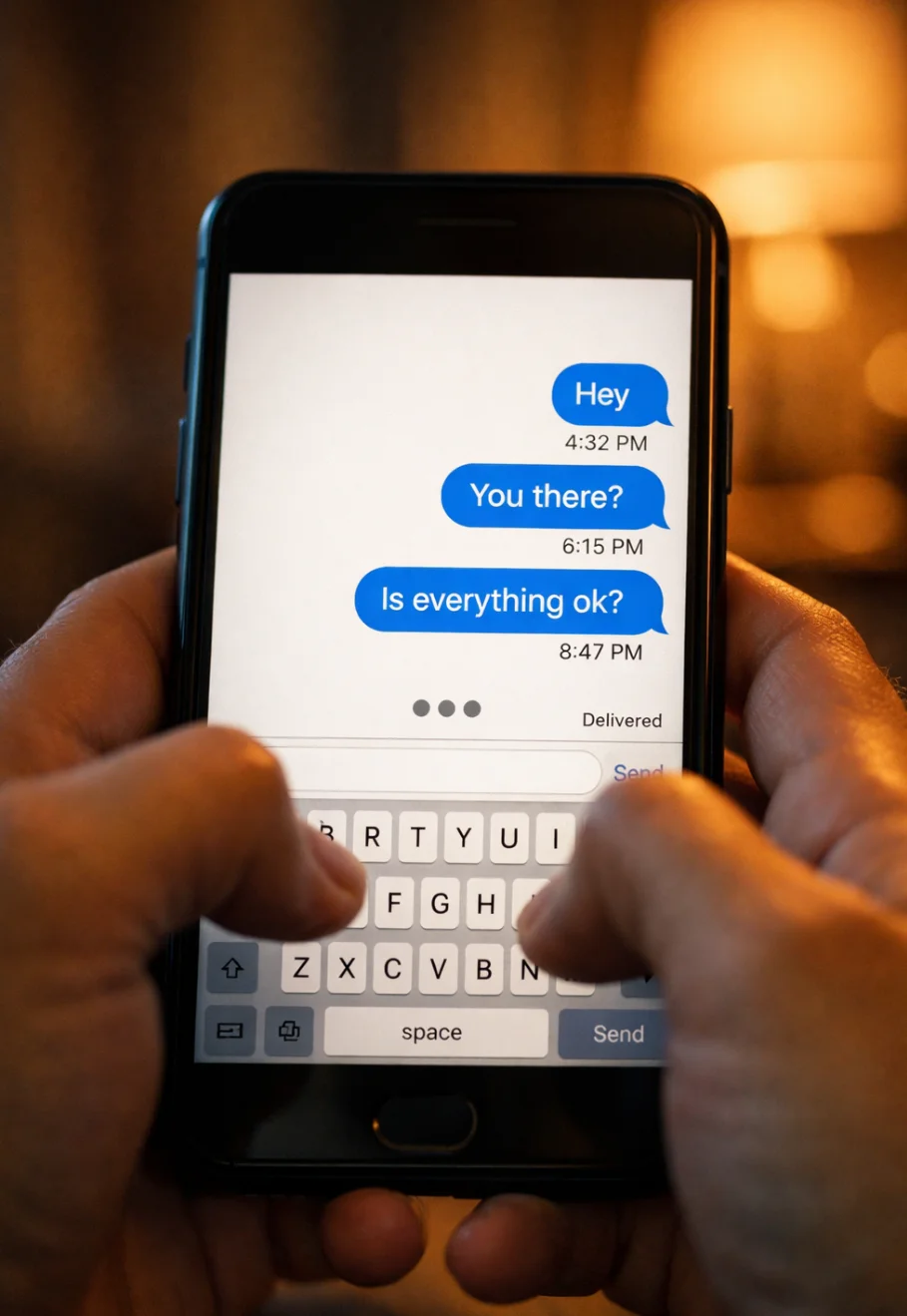
Your partner hasn’t texted back. It’s been two hours.
You know they’re probably busy. You tell yourself to relax. But your mind is already running scenarios. Are they losing interest? Did you say something wrong? Should you text again?
This isn’t about being “crazy” or “too much.” It’s relationship anxiety - and it’s more common than you think.
This quiz measures how much anxiety shows up in your romantic relationships. Twenty scenarios, honest answers, clear results.
Answer based on how you typically feel in romantic relationships. If single, think about your most recent relationship or how you’d likely respond.
FAQs
Relationship anxiety is persistent worry about your romantic relationship - fear of rejection, abandonment, or not being good enough. It shows up as overthinking your partner's behavior, needing constant reassurance, and struggling to trust that the relationship is stable.
They overlap significantly. Anxious attachment is a broader pattern that includes relationship anxiety plus behaviors like protest behavior and fear of abandonment. This quiz focuses specifically on the anxiety component - the worry and hypervigilance in relationships.
Yes. While tendencies may persist, the intensity can reduce significantly. Therapy, particularly Emotionally Focused Therapy or CBT, helps rewire anxious patterns. Healthy relationship experiences also build security over time. The goal is managing anxiety, not eliminating all concern.
Usually not, though partner behavior matters. Relationship anxiety often predates your current relationship - rooted in earlier experiences. However, a partner who is inconsistent, dismissive, or avoidant can amplify existing anxiety. Both factors are worth examining.
This quiz measures self-reported anxiety patterns in relationships. It's a reflection tool, not a clinical assessment. Your score indicates tendencies, not a diagnosis. For persistent relationship distress, work with a licensed therapist who can explore your specific situation.
Notice when these patterns show up in daily life. High scores suggest building distress tolerance - learning to sit with uncertainty before reacting. Consider therapy if anxiety is affecting your relationships or wellbeing. Low scores aren't a pass to ignore relationship issues - just that anxiety isn't the driver.
Related Reading
Understanding Jealousy and Envy: Causes, Consequences, Treatment, and Coping Strategies
Secrets to a Lasting Relationship
Building Strong Relationships: Insights from the Experts
9 Relationship Management Advice from Experts