Trauma Bond vs Love: An Evidence-Based Way to Tell the Difference
TL;DR - Key Takeaways
- A trauma bond is driven by biochemical addiction and irregular reinforcement cycles, whereas genuine love is rooted in steady emotional safety and mutual care.
- Intermittent reinforcement utilizes variable-ratio schedules that spike dopamine in the nucleus accumbens, creating intense motivational wanting rather than true hedonic pleasure.
- Chronic unpredictability locks the nervous system in a state of hypervigilance, often causing individuals to mistake adrenaline and anxiety for passionate romantic chemistry.
- Cognitive dissonance and rewriting history shield individuals from reality by minimizing severe cruelty while inflating rare moments of warmth.
- Reclaiming emotional stability requires establishing strict boundaries, tolerating quiet spaces without manufacturing chaos, and utilizing objective self-assessment tools.
Introduction
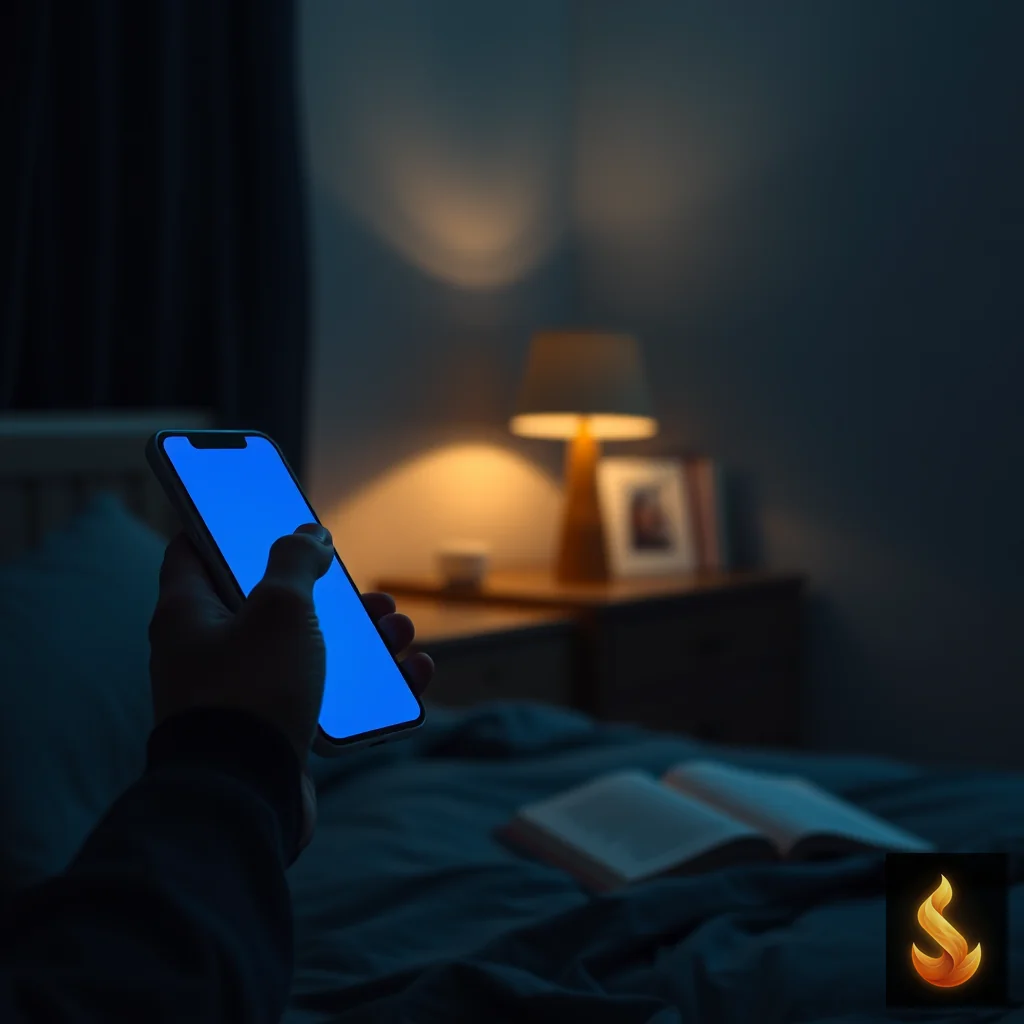
You stare at your phone at two in the morning, scrolling through chat logs to find the exact moment things went wrong. Trauma bond versus love is the distinction between a nervous system hooked on volatile highs and lows and a partnership built on steady emotional safety. Figuring out whether you are experiencing genuine affection or biochemical addiction requires understanding how repetitive cycles of distress reshape your baseline for connection.
When Love Feels Like an Emergency: The Reality of Trauma Bonds
You stare at your phone at two in the morning, rereading old texts to find where things went wrong. Instead of guessing, you can evaluate clear patterns. Objective frameworks help you trade frantic rumination for actual behavioral criteria, cutting through the confusion of high-stakes conflict.
Navigating this dynamic means looking past your partner’s intense apologies and focusing on the underlying rhythm of the relationship.
When every disagreement feels like a catastrophic emergency, your body responds with survival tactics rather than open communication.
Recognizing this baseline of constant panic lets you separate genuine emotional intimacy from manufactured crisis.
Defining the Architecture of a Trauma Bond
You are caught in a repeating pattern built on a specific structural abuse cycle where power imbalances keep your nervous system in a constant state of hypervigilance.
Patrick Carnes defined this dynamic as a pathological attachment born from the terrifying oscillation between the acute threat of abandonment and the intense relief of reconciliation.
Enduring this manufactured chaos does not mature into stable partnership; it deepens your neural adaptation to unpredictability.
The relationship survives on biochemical whiplash rather than mutual care, training you to accept erratic volatility as proof of deep emotional investment.
The Neurochemical Trap of Intermittent Reinforcement

You feel addicted because your nervous system has been trained by a variable - ratio schedule, which is the same engine that drives slot machines and gacha games. Intermittent reinforcement does not create pleasure; it engineers relentless motivational wanting through the mesolimbic dopamine pathway.
Research by Thiago Santos, Daniel Leite Costa, and Livia Scienza in DiGRA proceedings shows that elevated dopamine in the nucleus accumbens amplifies incentive salience when cued by unpredictability, citing Wyvell and Berridge’s work on how reward - predictive cues trigger intense transient desire spikes.
Your partner’s hot - cold cycles function as those cues. Each reconciliation floods the system, while each withdrawal creates a craving state neurologically indistinguishable from substance withdrawal. The good moments are not love, but rather the reinforcement keeping the loop locked in place.
Physiological Arousal Versus Emotional Safety

Walking on eggshells keeps your nervous system locked in chronic cortisol elevation and somatic hypervigilance, mimicking terror rather than romance. Secure attachment involves nervous system downregulation, which a trauma-calibrated system frequently misinterprets as boring or unstimulating.
Unlearning this arousal preference requires tolerating periods of profound emptiness during the initial stages of withdrawal. You tend to treat physical racing and constant chest tightness as proof of undeniable chemistry, but your body is actually reacting to persistent unpredictability.
Recognizing this visceral state as a physiological distress signal rather than deep passion lets you stop confusing adrenaline with affection.
Cognitive Dissonance and the Loop of Rewriting History
You find yourself scrolling through old chat logs late at night, hunting for the exact sentence where everything derailed, as if reading the text could rewrite the outcome. According to research highlighted by Ulugbek Ochilov in MDPI, electroencephalography recordings reveal that readers processing controversial passages exhibit simultaneous theta-alpha synchrony for narrative immersion and an error-related negativity frontocentral negative potential indicating active cognitive conflict.
Your brain handles relational betrayal with that exact same dissonance, forced to hold two impossible truths at once. You minimize severe cruelty while inflating microscopic moments of warmth, smoothing over the jagged edges of a volatile partnership to protect your emotional investment.
This editing habit shields you from a terrifying reality, turning a cycle of distress into a distorted narrative where you believe the next repair will finally stick.
Behavioral Contrast During High-Stakes Conflict
Standard toxic dynamics involve mutual miscommunication and shared frustration, whereas a trauma bond relies on structural power asymmetry where your partner weaponizes your vulnerabilities. When tension escalates, a secure partner meets your distress with accountability and repair.
Your partner instead demands emotional compliance and uses the fallout to force you into a defensive crouch. Tracking these observable behavioral benchmarks replaces vague second-guessing with clear criteria.
You stop asking whether you caused the argument and start watching how your partner handles your boundaries. This shift reveals whether you are dealing with ordinary relationship friction or an engineered cycle of control.
The Boundary Conditions of Neurological Recovery
Understanding dopamine sensitization and cognitive dissonance does not instantly cure biochemical dependency or erase years of relational conditioning. Acknowledging these research limits prevents the overgeneralization that cognitive insight alone is sufficient to break a deeply entrenched trauma bond. Lasting healing requires behavioral restructuring and physiological regulation, not just intellectual realization of the abuse cycle.
Rewiring neural pathways formed through intermittent reinforcement takes consistent patience and a deliberate break from emotional chaos.
Without establishing clear boundaries, your brain simply reverts to familiar survival loops when the next stressor appears.
True recovery is an active, ongoing practice of tolerating calm spaces without manufacturing emergencies to feel alive.
Assessing Your Relationship Through an Objective Structural Lens

Stepping outside late-night text scrolling requires tools that measure relational health rather than emotional exhaustion. Clinical self-assessment methodologies built from psychological frameworks like GAD-7 and PHQ-9 give you a structured way to evaluate safety without relying on partner rationalizations.
You can map actual behavioral patterns against validated parameters instead of second-guessing your memory. These tools bring clarity to what you experience daily, helping you separate genuine partnership from biochemical conditioning.
An assessment cannot diagnose clinical conditions, and anyone facing immediate physical danger should prioritize confidential crisis support resources like the 988 Lifeline. Your data stays with you, and stepping back to measure the dynamic is the first step toward reclaiming your agency.
Breaking Free from Biochemical Dependency
Stopping the cycle of chemical dependency takes strict boundaries to give your nervous system space to reset. As outlined by Shiqiang Tian and colleagues in the ACL Anthology, P-Space is a continual knowledge editing approach that resolves cognitive dissonance by puncturing protected null-space covariances to overwrite outdated representations and securely anchor new facts.
Reclaiming your emotional health means replacing volatile highs with steady baseline peace, letting your dopamine receptors normalize after months of high-stress activation.
You learn to tolerate the quiet spaces that used to feel empty, recognizing that calm is not a lack of passion, but the presence of safety.
Rebuilding self-trust happens gradually, one intentional choice at a time, until the desire for chaos fades into a quiet confidence in your own emotional stability.
Conclusion
Reclaiming your self-trust happens gradually, one intentional choice at a time, until the desire for chaos fades into a quiet confidence in your own emotional stability. You can take the free self-assessment tool to evaluate your relational safety and make your next decision with grounded clarity.
Frequently Asked Questions
A trauma bond is driven by biochemical addiction and irregular reinforcement cycles, whereas genuine love is rooted in steady emotional safety and mutual care. While trauma bonds keep your nervous system in chronic hypervigilance, healthy attachment provides consistent emotional grounding.
Intermittent reinforcement manifests as an unpredictable cycle where severe emotional distress is followed by intense, short-lived relief and affection. As detailed in DiGRA research by Thiago Santos, Daniel Leite Costa, and Livia Scienza, these unpredictable reward schedules heavily activate the dopaminergic wanting system.
You feel addicted because erratic relationship conflicts and reconciliations train your brain on a variable-ratio schedule similar to slot machines. Citing work by Wyvell and Berridge, DiGRA proceedings show that unpredictable reward cues trigger intense transient spikes of desire in the nucleus accumbens.
Intermittent reinforcement targets the brain's motivational wanting system rather than its delicate hedonic liking system. Research by Thiago Santos, Daniel Leite Costa, and Livia Scienza demonstrates that dopamine surges during reward anticipation, locking individuals into a persistent seeking loop.
Chronic unpredictability locks your body in persistent cortisol elevation and physical tension, which adrenaline-fueled cycles misinterpret as passionate romance. Recognizing this visceral stress response helps separate genuine emotional intimacy from nervous system arousal.
Cognitive dissonance forces your brain to simultaneously hold the reality of severe cruelty and microscopic moments of warmth. Electroencephalography recordings highlighted by Ulugbek Ochilov in MDPI reveal that processing conflicting stimuli triggers simultaneous narrative immersion and active cognitive conflict.
The Moral Dissonance repair loop model illustrates how individuals manage ethical or emotional conflict through translation smoothing, pedagogical reframing, and re-moralization. As outlined by Ulugbek Ochilov in MDPI, this theoretical framework explains how communities maintain engagement despite profound disruptions.
Trauma bonds rely on structural power asymmetry where a partner weaponizes your vulnerabilities and demands emotional compliance during conflicts. Tracking these clear behavioral benchmarks replaces second-guessing with objective criteria to evaluate relationship safety.
Leaving is difficult because prolonged exposure to variable reward schedules alters baseline neural pathways, creating a powerful craving state during withdrawal. Breaking this cycle requires strict boundaries and patience to let your dopamine receptors normalize.
Clinical self-assessment tools built from validated frameworks like GAD-7 and PHQ-9 provide a structured way to evaluate emotional safety without relying on partner rationalizations. These frameworks measure behavioral patterns objectively, helping you separate biochemical conditioning from genuine partnership.
 Narcissistic Injury: The Trigger Behind the Outburst
 Fearful-Avoidant Attachment: The Push-Pull Pattern Explained
 how to stop jealousy in relationships: An Evidence-Based Decision Framework
 The 4 Types of Narcissists: Which One Are You Dealing With?
 Why Do I Feel Emotionally Numb? The Nervous System's Glass Wall
 Grief Meaning: Why Non-Death Losses Still Ache