The Invisible Strings: A Guide to Covert Narcissism and Manipulation
Last updated: January 4, 2026
Quick Navigation: The Story | The Six Pillars | Why Leaving is Dangerous | Gray Rock Method | Recovery Timeline | Get Help Now
What You’ll Find Here
This article walks through how manipulation works, using Elena and Marcus’s story to show what it looks like in reality.
You’ll learn the six tactics that manipulators use, why leaving is actually the most dangerous phase, and exactly what recovery looks like. Plus the practices that create real distance from control.
If you’re searching to know whether what’s happening is real: it is.
The Story: Elena’s Spiral
Elena sabotaged Marcus’s business deal deliberately (leaking sensitive details to a competitor weeks before the final contract signing). When Marcus found evidence of her involvement in his email records and confronted her, she denied everything. When he tried to leave, she panicked.
Instead of accepting the consequence, she did something worse. She accused him of abuse.
For months, nobody saw through her performance. The police believed her. The court almost convicted an innocent man. Her carefully constructed narrative almost won.
But manipulation has a weakness: it requires constant performance. Patterns eventually emerge. And when they do, the entire structure collapses.
This is what manipulation looks like from the inside. And how it falls apart when exposed.
You’re reading this because something feels wrong. Maybe you don’t have a name for it yet. Maybe you’ve searched for it at 2am and felt relieved to find words for the unnamed experience.
This article gives you those words.
Understanding Manipulation
Manipulation is when someone uses your conscience against you to control your behavior. Your values, your empathy, your fears become their tools.
Most people confuse it with gaslighting. They’re not the same thing.
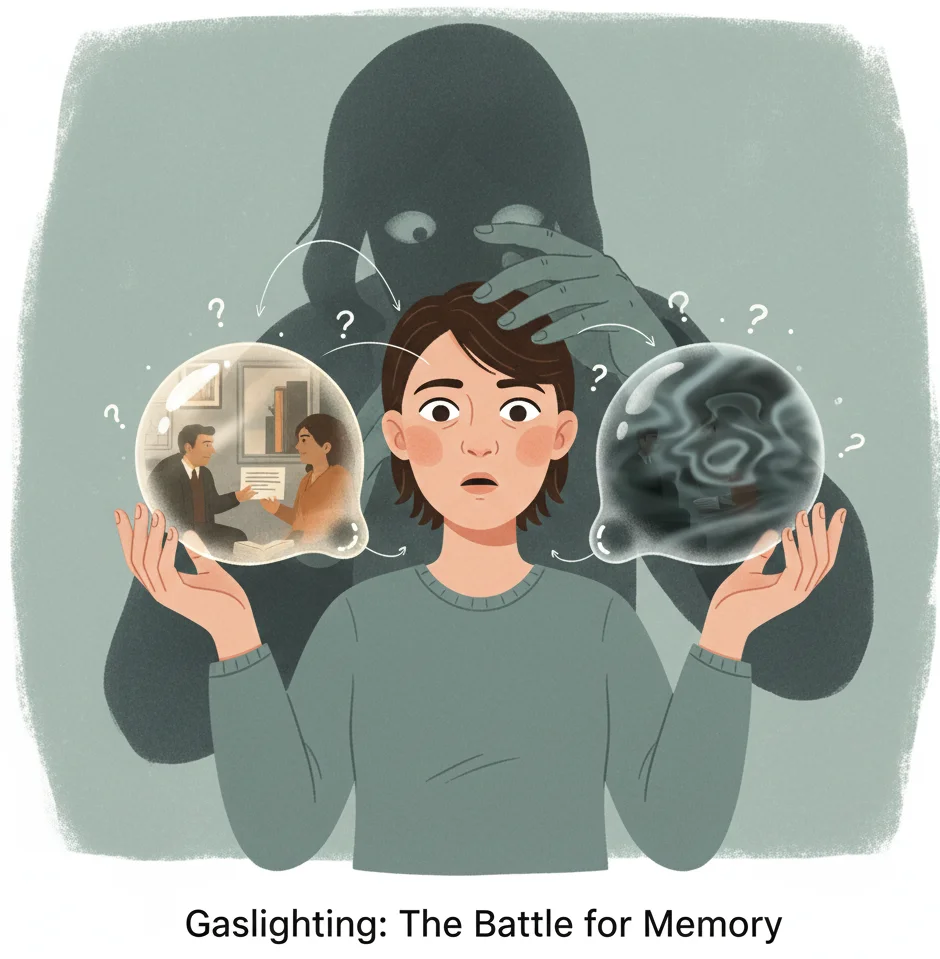
Gaslighting attacks your reality. It makes you question what you remember. Did I really say that? Am I remembering this correctly? The gaslighter denies, twists, reframes until you don’t trust your own mind.
Manipulation attacks your autonomy. It makes you do things against your interests while feeling like it’s your choice. You end up apologizing for things you didn’t do. You sacrifice your needs for theirs. You become smaller. The worst part? You blame yourself.
Where gaslighting is about memory, manipulation is about control.
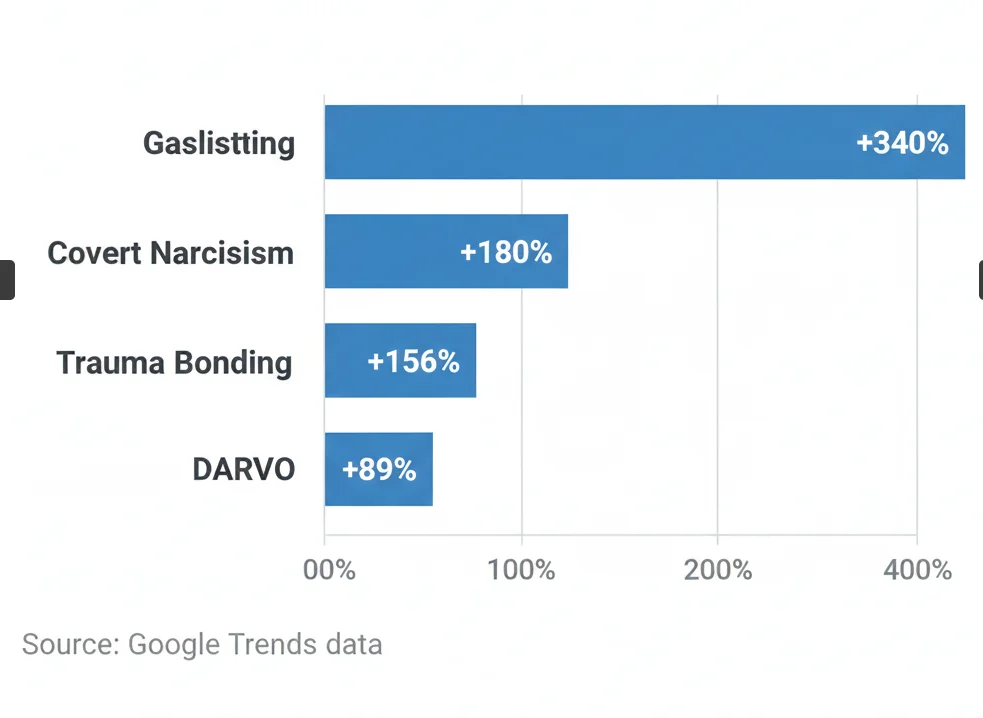
In the past five years, searches for manipulation and covert narcissism have grown exponentially. People are waking up to what’s been happening. They’re recognizing the patterns. And they’re asking: how did I not see this?
Key Terms You Need to Know
- Covert Narcissism: A form of narcissism that looks like vulnerability but is actually control. The person seems shy or hurt, but their behavior systematically undermines your reality.
- Gaslighting: Making you doubt your memory and perception. They deny things happened, reframe what you remember, until you stop trusting yourself.
- Trauma Bonding: The psychological attachment that forms through cycles of mistreatment followed by kindness. It’s biochemical, not a choice.
- Gray Rock: A survival tactic of becoming emotionally boring and unresponsive so the manipulator loses interest in trying to control you.
The Six Pillars of Manipulation
1. Guilt-Tripping: Weaponizing Your Conscience
Guilt works on the deepest level. It activates your instinct to protect people you care about. Manipulators exploit this relentlessly.
Elena told Marcus he was becoming arrogant, abandoning her, getting too ambitious. She made his success feel like a personal betrayal. When he tried to leave, she didn’t argue. She just said: If you go, you’re destroying me.
The guilt isn’t logical. It’s physical. You carry the weight of her supposed suffering. Your conscience flags the idea of her pain, and suddenly your needs feel cruel. You can’t step away without feeling monstrous.
This is why guilt-tripping is so effective. It bypasses logic entirely. It speaks directly to your conscience.
2. Love-Bombing: Creating Debt Through Affection
Love-bombing feels like connection. But it’s strategic, designed to create a sense of debt.
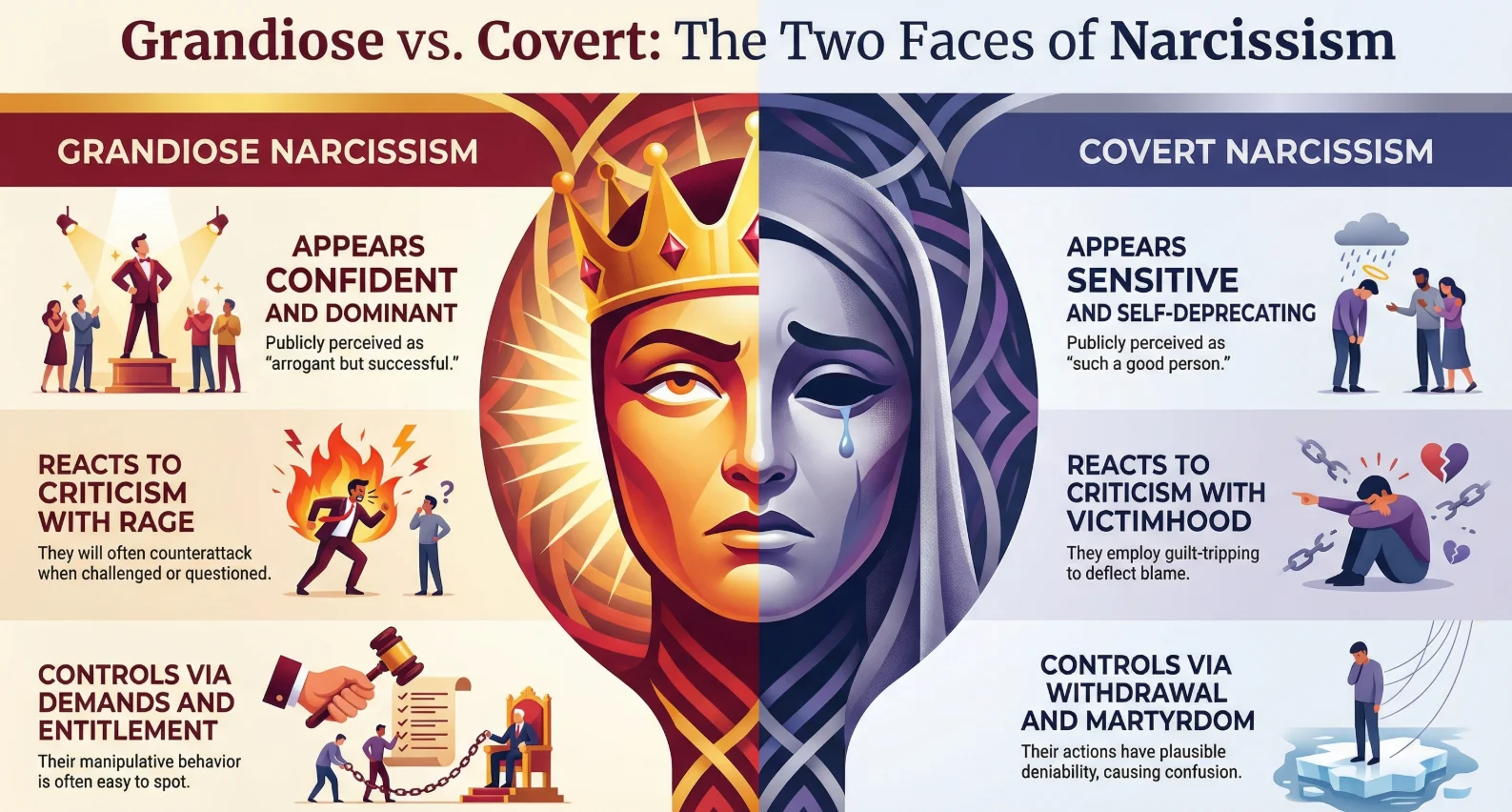
Elena didn’t just accuse Marcus. She showed a different version of herself to the police, the therapist, his family. She was vulnerable. Broken. Needing protection.
With them, she was kind and vulnerable. With Marcus, she was cold and cruel. This duality is intentional. Love-bombing creates emotional debt. You feel like you owe them something because of how kind they were. That debt makes you compliant.
3. The Silent Treatment: Weaponizing Absence
Silence triggers panic. Your instinct to reconnect fires on overdrive.
When Marcus tried to defend himself, Elena disappeared. Blocked his number. Ignored his emails. Made him desperate to explain, to fix things, to prove he wasn’t the monster she’d described.
Every message he sent became “harassment.” Every attempt to communicate became “proof” of abuse. But the real torture was the silence itself. His brain kept signaling: reconnect, fix this, make her respond.
The need for her approval grew with every unanswered message.
4. Moving the Goalposts: The Unfixable Problem
Manipulators change the rules so you can never win. When you defend against one accusation, they add two more.
When the police investigation stalled, Elena invented new details. More incidents. Worse behavior. Marcus tried to refute each one, but he couldn’t address them all simultaneously.
This creates learned helplessness. You realize nothing you do will ever be enough. You stop trying to defend yourself. You just… accept defeat.
5. Playing the Victim: The Reframed Narrative
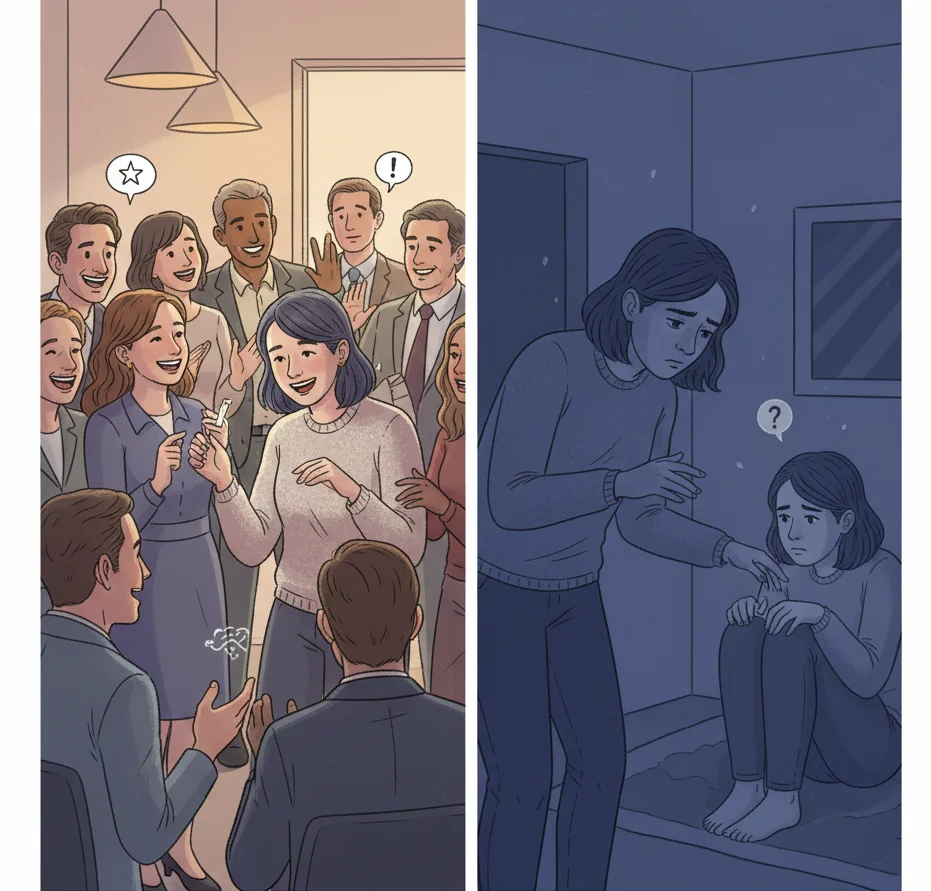
When manipulators get caught, they don’t apologize. They become the victim.
Elena never admitted to the sabotage. Instead, she became afraid. Traumatized. Marcus wasn’t the villain anymore. He was the villain who made her a victim.
This reframe is powerful because it shifts your role. Suddenly you’re not someone being wronged. You’re someone causing their suffering. Your guilt intensifies. You find yourself comforting the person who’s hurting you.
6. Triangulation: Weaponizing Others
Manipulators don’t fight alone. They activate “flying monkeys”: people who defend them without knowing the full truth.
Elena told friends she was struggling. She cried in front of his family. She told her therapist carefully curated versions of the truth. Each person only saw one side of the story.
By the time Marcus tried to defend himself, he wasn’t fighting Elena. He was fighting everyone she’d already convinced. The system became her weapon. The people meant to help him became tools against him.
The Damage of Manipulation
Gaslighting makes you doubt your memory.
Manipulation makes you doubt your judgment.

You apologize for things you didn’t do. You do things you don’t want to do because saying no feels impossible. Your boundaries dissolve. You become smaller, quieter, less yourself.
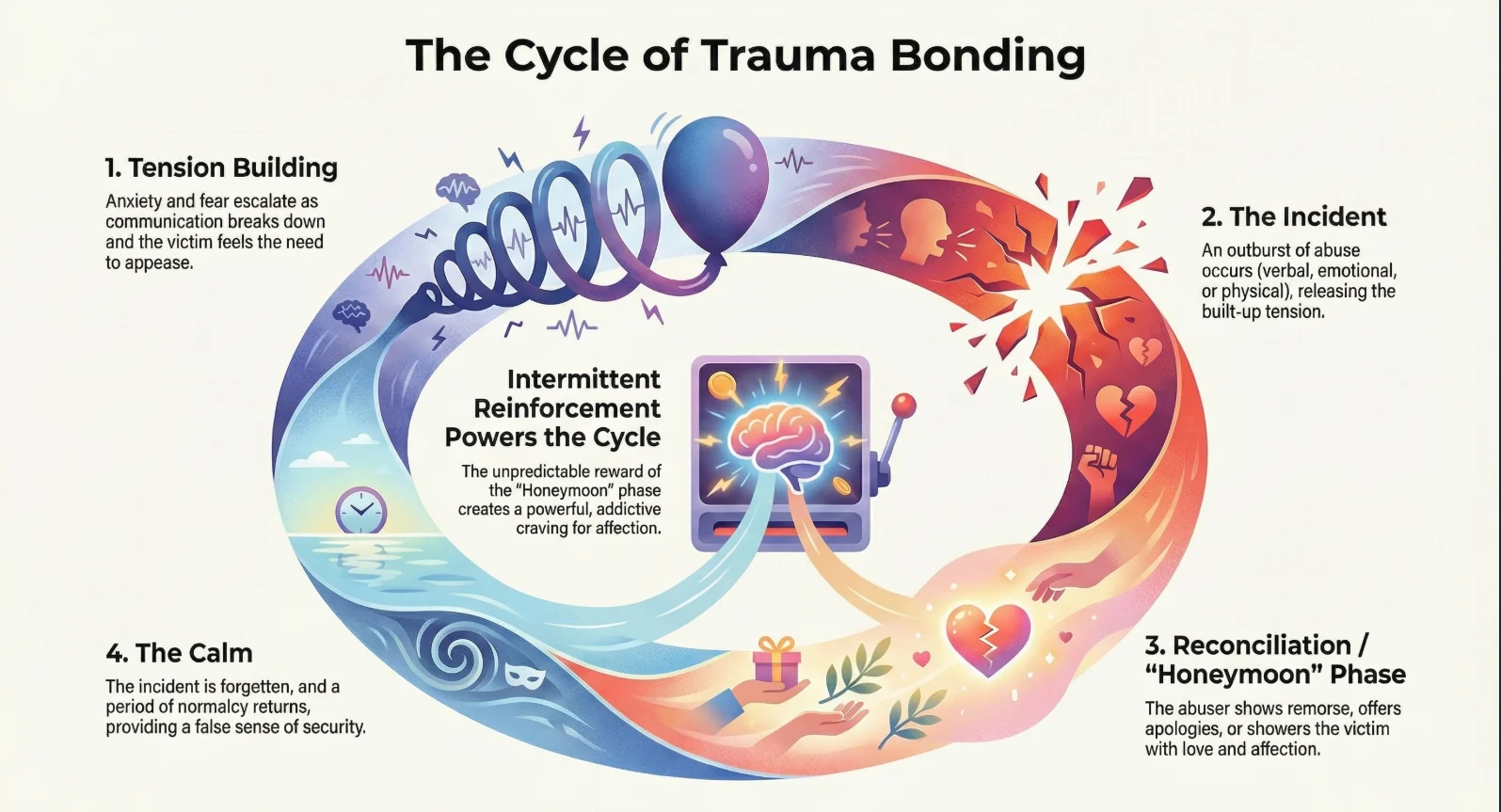
Why It Works
Manipulators are excellent at reading people. They understand what makes you tick. They know what you value and they use it against you.
Elena knew the system would believe a woman’s accusation against a man. She knew the police would sympathize with a crying victim. She knew that when Marcus tried to defend himself, it would look like further abuse.
She weaponized the system designed to protect people from abuse.
And it almost worked.
This is where the danger becomes real. Because once you try to leave, manipulation doesn’t end. It escalates.
Why Leaving Is Often Most Dangerous
This is what competitors don’t talk about: the moment you try to leave is often when manipulation escalates most dangerously.
When Elena realized Marcus was actually leaving, she didn’t just let him go. She fabricated accusations. She involved the police. She turned the system into a weapon.
This is called an extinction burst. When a manipulator’s control strategy stops working, they escalate. They panic. They pull out their most destructive tactics.
People don’t understand this. They think leaving is the finish line. It’s not. It’s often where the most dangerous phase begins.
Expect Three Escalation Tactics
Hoovering: After weeks of silence, Elena texted Marcus that she’d changed, that she was sorry, that they could work it out. He hesitated. He responded. The trap sprung immediately. She forwarded his text to her therapist as “proof he was trying to intimidate her.” She told his family he was harassing her. The moment he showed vulnerability, she weaponized it. Hoovering isn’t romance. It’s bait.
Smear Campaigns: They’ll try to turn your children, your friends, your workplace against you. They’ll tell everyone their version of events before you can tell yours. This isn’t paranoia. This is documented behavior. Covert narcissists don’t accept loss of control.
False Accusations: They fabricate incidents, involve authorities, manufacture evidence of your wrongdoing. The goal is to make leaving so legally and socially costly that you surrender control back to them.
Create a Safety Plan
Safety planning for after you leave is as important as the decision to leave itself:
- Tell trusted people your plan before you leave (not after)
- Document everything (emails, texts, incidents) and store backups they can’t access
- Line up a safe place to go, money set aside, legal consultation arranged
- Understand what their escalation might look like so you’re not blindsided
- Have a plan for sustained harassment (restraining orders, modified contact, co-parenting apps)
How They Manufacture Reasonable Doubt
The most insidious thing Elena did wasn’t lie. It was create plausible deniability.
She didn’t just accuse Marcus. She created a narrative where everything he did became “proof” of his abuse. When he tried to defend himself, that became “harassment.” When he documented her sabotage, that became “stalking.” When he sought help, that became “desperately trying to control the narrative.”
She understood something critical: in the court of public opinion, and often in actual courts, the person who seems calm and coherent wins. The person who’s defensive, emotional, or fighting back looks guilty.
So she made sure that any attempt Marcus made to defend himself would be reframed as further abuse.
This is why nobody believed him. Not because the evidence wasn’t there. But because she’d made his defensive actions look more like abuse than her original lies.
If you’re being falsely accused, understand this trap. Your instinct will be to defend yourself passionately. That’s exactly what the manipulator wants. The harder you fight, the guiltier you look.
How to Protect Yourself
Recognize the Pattern
One incident could be a mistake. Five incidents that follow an identical pattern reveal strategy. Look for consistency across time and different contexts. Real people mostly act the same way regardless of audience. Manipulators have to manage multiple versions of themselves: the victim version, the loving version, the vulnerable version. Pay attention to when these masks slip.
Document Everything
Elena’s downfall came from one thing: documentation. Router logs showed she’d accessed Marcus’s email accounts from an office computer to leak documents. Security footage captured her sending files to the competitor. Text messages and emails revealed her plan. This is what beat the elaborate narrative she’d constructed.
Documentation isn’t paranoia. It’s evidence. Keep specific records. If they request something in writing, respond in writing. Screenshot texts immediately (before they can delete them). Save emails to a secure backup. Note dates and times of conversations. When they deny something happened, you have proof it did. When they twist what was said, you have the exact words.
Stop Feeding Their Control
The Gray Rock Method is simple: become boring. Unresponsive. Emotionally flat.
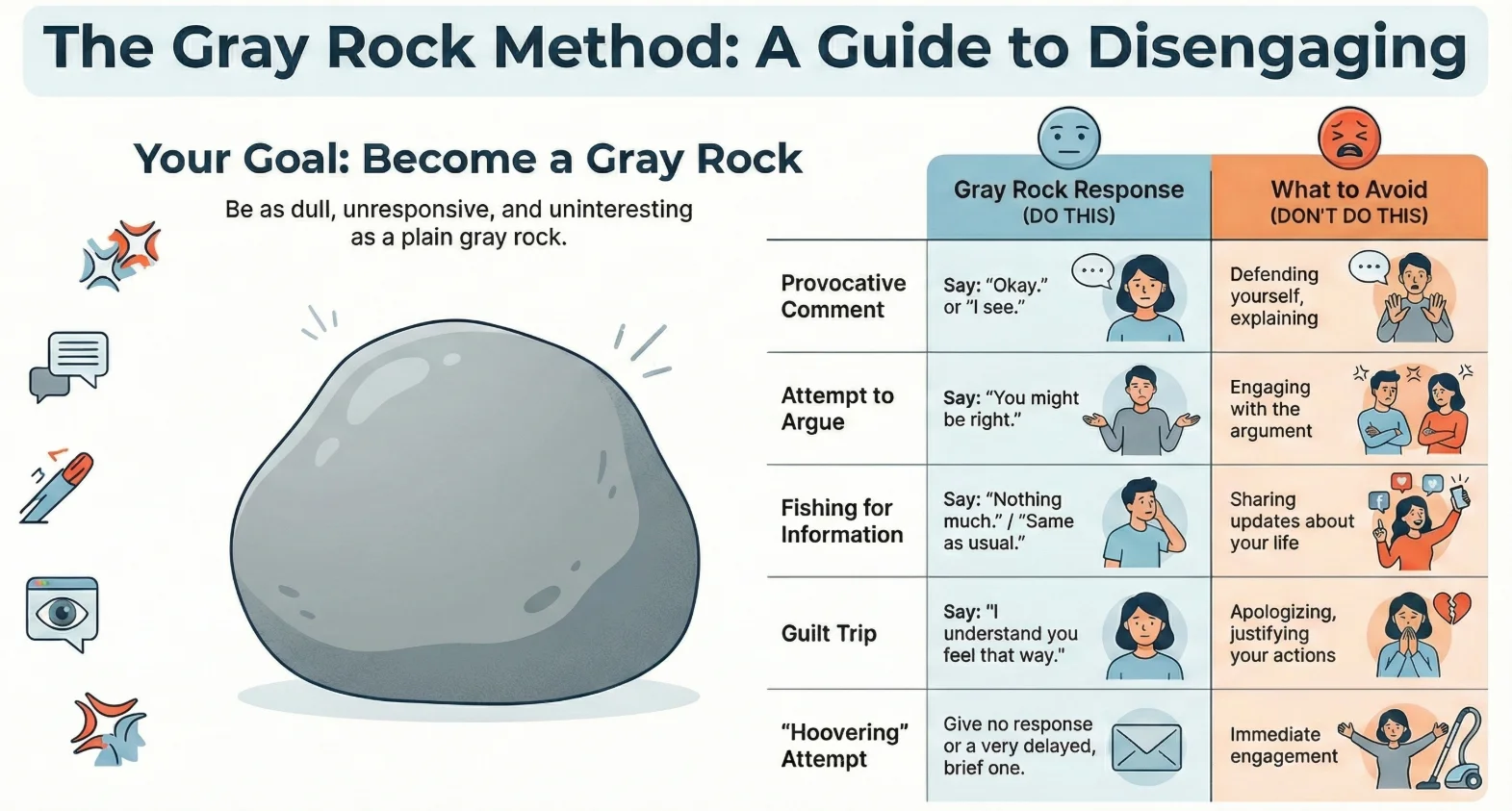
The manipulator feeds on your emotional reactions. Anger, tears, desperation, frustration (all of these are fuel). Without them, the manipulation loses its purpose. You’re no longer interesting. You’re no longer useful.
When they try to engage, give minimal responses. Share nothing personal. Keep conversations transactional: “I got your message.” Not: “I’m so hurt by what you said.”
Process your real emotions with people you trust, not with them.
Reclaim Your Right to Say No
The hardest part isn’t spotting manipulation. It’s saying no without guilt drowning you.
You will feel selfish. You will feel cruel. You will feel like you’re destroying them. That’s the manipulation talking. Your guilt is their tool.
Say no anyway. Stay consistent. Don’t defend, explain, or justify. “No” is a complete sentence. Let them feel whatever they feel. Their feelings are not your responsibility.
What We’ve Covered So Far
You’ve learned the six pillars of manipulation (guilt-tripping, love-bombing, silence, moving goalposts, victimhood, triangulation). You understand why leaving is the most dangerous phase. You know how they manufacture reasonable doubt. You have protection strategies: documentation, Gray Rock, building an exit plan, reclaiming your right to say no.
Now comes the hardest part: what comes after.
The Recovery: Rebuilding After Manipulation
Marcus didn’t feel victorious when Elena was convicted. He felt exhausted.
Years gone. Reputation damaged. Business collapsed. People who believed Elena’s story never fully believed his innocence, even after the truth emerged.
Recovery isn’t about winning in court. It’s about healing afterward. It isn’t quick. It isn’t neat.
Why Your Radar Got Hacked
People ask Marcus: how didn’t you see this coming? They ask survivors of narcissistic abuse the same question.
The answer isn’t that you’re gullible. Covert narcissists exploit empathy. They activate your caretaking instincts. They understand that people with conscience become their best targets.
If you grew up with a covert narcissist parent, your “narcissist radar” is actually miscalibrated. You learned to spot grandiose narcissists (the loud, obvious ones). But you never developed radar for the quiet, vulnerable-seeming ones.
So you can walk past an obvious narcissist and feel instantly uncomfortable. But a covert narcissist? Someone who seems shy, injured, misunderstood? Your brain reads those traits as needing protection, not as red flags.
This is why so many empaths end up with covert narcissists. It’s not weakness. It’s a development gap.
The Therapy That Works
Recovery requires more than time. It requires working with someone who understands trauma, not just mental health.
EMDR (Eye Movement Desensitization and Reprocessing) helps process the trauma memories. IFS (Internal Family Systems) helps you rebuild your sense of self that was fractured by the manipulation. Somatic Experiencing helps you discharge the stress that’s still locked in your body. Trauma-focused CBT helps you process the cognitive distortions that were implanted.
Generic talk therapy isn’t enough. You need someone trained specifically in narcissistic abuse recovery.
Marcus’s Actual Timeline
First year: He moved to a different city. Started a new business. Functionally rebuilt his life but was still hypervigilant, still questioning people’s motives.
Second year: With therapy, he started processing the trauma. He grieved what he’d lost. He faced the reality of how much had been taken from him. This was harder than the first year.
Third year: He learned to trust his judgment again. Not naively, but with wisdom. He recalibrated his radar to notice both obvious and covert manipulation.
Fourth year: He felt genuinely safe. Not because he’d forgotten what happened, but because he’d integrated it. He knew what to look for. He knew he could trust himself to see it.
Recovery took years. But it was possible.
The Real Message
Manipulation works because it’s invisible. Most people don’t see the calculation. They see pain. They believe because the narrator has practice.
But when you understand the strategy (when you see manipulation as a system), it loses power.
You can spot it. Document it. Survive it.
And when you do, you don’t just get your life back. You rebuild it on your own terms.
Elena is in prison now. In her mind, she’s still the victim.
But Marcus is building something real.
That’s the whole point.
Crisis Support
If you’re experiencing abuse: National Domestic Violence Hotline at 1-800-799-7233. Crisis Text Line: Text HOME to 741741. RAINN: 1-800-656-4673.
Disclaimer: This article is for educational purposes. It explores manipulation dynamics through narrative. Real abuse is serious. If you’re involved in a legal matter, consult an attorney.
Questions People Ask
Manipulation is a form of psychological abuse. It uses control tactics to dominate someone's autonomy and behavior. Physical abuse isn't required for it to cause serious, lasting harm.
Manipulation follows a pattern: repeated tactics that benefit the manipulator, reframing when caught, lack of genuine apology, and consistent boundary violations. A difficult person is challenging but doesn't systematically control you.
Gray Rock is a survival tool while you plan, not a long-term solution. Living in emotional flatness indefinitely damages your mental health. It's a bridge to leaving, not a destination.
Manipulators mix truth with lies to make false accusations credible. Even if one accusation contains truth, systematic false accusations designed to control you is still manipulation. Address the true parts separately from the pattern.
Covert narcissists manage different versions of themselves for different audiences. With outsiders, they're often charming and careful. With you, they drop the mask. This duality is intentional and strategic.
Documentation helps. Router logs, security footage, and messages can establish patterns. But legal proof depends on jurisdiction, evidence admissibility, and having a skilled attorney. Always consult a lawyer.
Document everything immediately. Respond in writing when possible (texts and emails create records). Avoid emotional reactions that look like further abuse. Get legal counsel. Don't try to convince their allies—focus on evidence.
Safety and resources matter more than timing. Plan thoroughly: secure finances, document abuse, tell trusted people, arrange safe housing, and consult a lawyer if there are children or shared assets. Rushed leaving can be dangerous.
Keep Reading
Take the Narcissism Quiz: Understand the Traits - Assess your experiences with narcissistic behavior
Understanding Jealousy and Envy - Explore how manipulation and jealousy intersect in relationships
Workplace Jealousy: 11 Practical Cures - Manipulation extends to professional spaces (protect yourself there too)
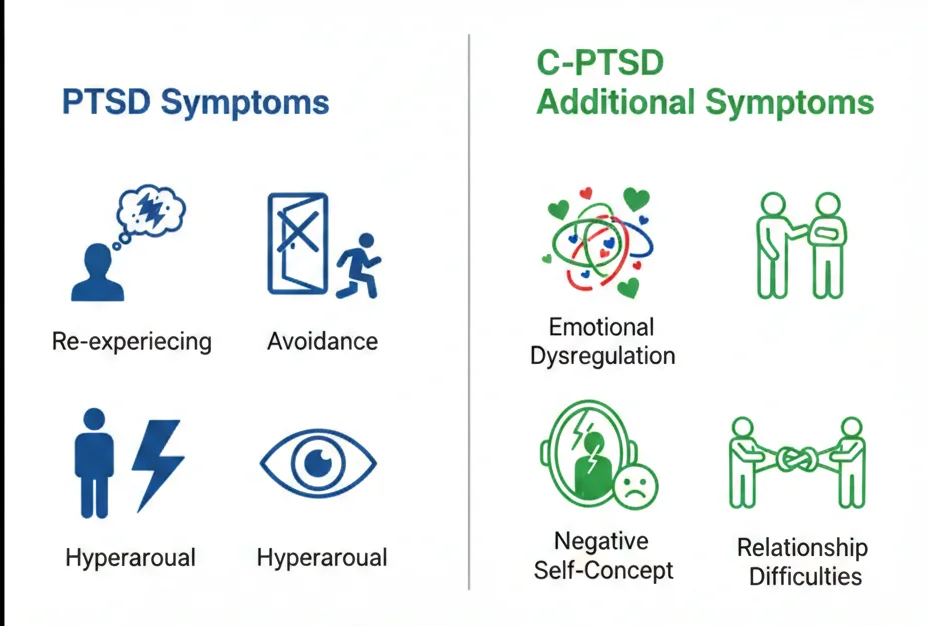
Healing from Complex PTSD - The deep recovery work after trauma and manipulation
Building Boundaries That Actually Hold - Practical framework for boundaries that manipulators can’t break through
Understanding the Ego - Recognize how ego drives narcissistic behavior
That’s all in this edition.
If you liked reading this article, do share it with folks who would benefit from it.
Want to stay connected? Here’s our twitter.
Unto Light, Together.