Jealousy Therapy: What Type Do You Need?
TL;DR - Key Takeaways
- Standard communication tips fail against jealousy because they ignore attachment anxiety and somatic panic spikes operating beneath your awareness.
- Adult attachment styles and romantic jealousy show a significant statistical link to relationship satisfaction, directly shaping your day-to-day relational security.
- Different jealousy subtypes - such as reactive and suspicious jealousy - require distinct clinical modalities like cognitive restructuring or attachment-focused therapy.
- Jyotirgamya provides a private, local-first self-assessment framework mirroring clinical scales like GAD-7 and PHQ-9 to help you identify your root psychological triggers without storing your data.
Introduction
You suspect your mind is running an endless feedback loop that you cannot quite switch off. Every conversation or delayed text message sets off a quiet internal panic that feels impossible to rationalize away with surface-level advice.
The real hurdle is that standard relationship tips tell you to communicate more, but they miss how attachment anxiety operates beneath your awareness. Finding what type of therapy you need for jealousy requires mapping your specific emotional triggers to evidence-based modalities like cognitive restructuring and attachment work.
When Rational Minds Trap Themselves in Digital Surveillance
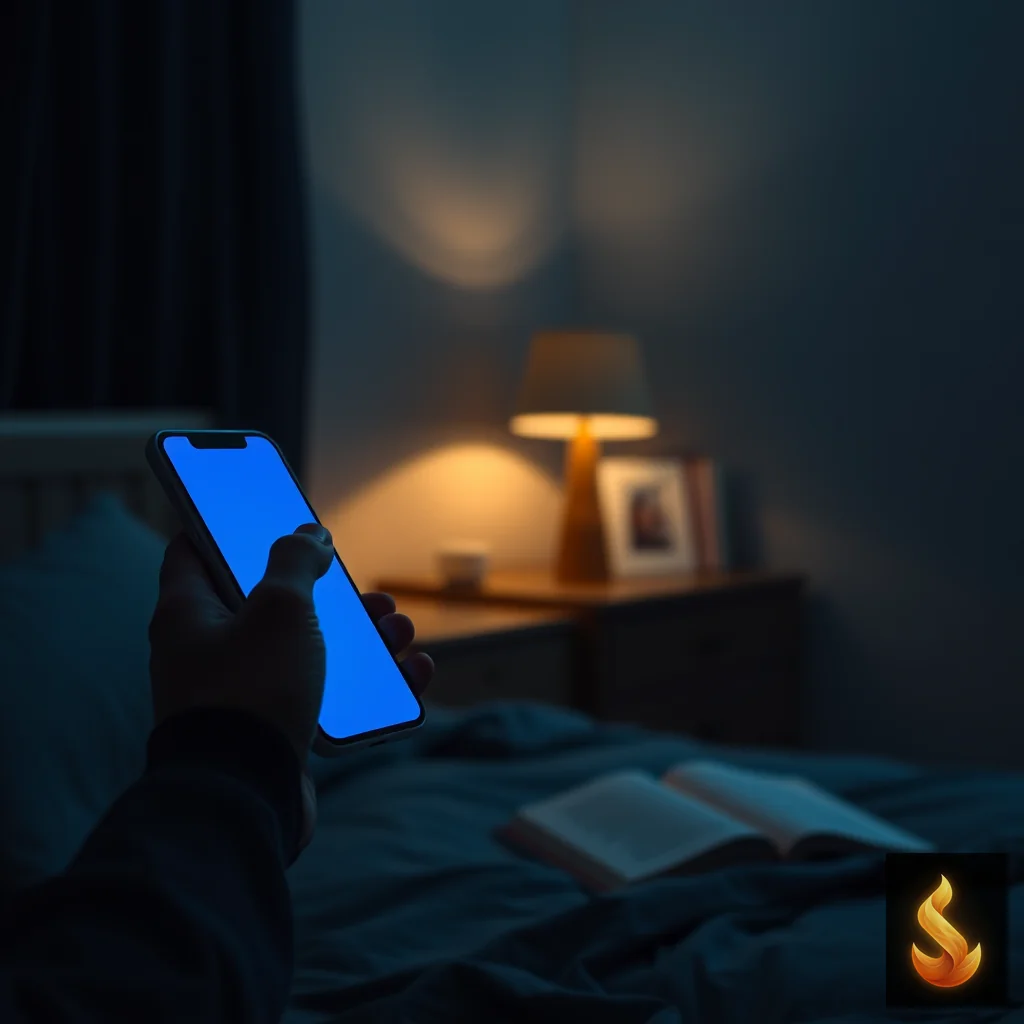
You stare at a glowing screen in a dark room, re-reading an innocuous text message for the fourth time while your chest tightens with an inexplicable panic you would never dare confess to anyone.
Standard relationship advice tells you to simply communicate openly, but that platitude shatters the moment your nervous system misinterprets a delayed reply as an existential threat.
Finding what type of therapy you need for jealousy requires moving past generic communication tips and mapping your specific emotional triggers to evidence-based modalities that address attachment anxiety.
The Destructive Scope of Romantic Jealousy in Adult Life
When romantic jealousy goes unaddressed, it rarely stays contained as a private mental loop or a fleeting moment of doubt. In Psikiyatride Güncel Yaklaşımlar, Nazlı Karakoçoğlu and Derya Hasdağ note that intense romantic jealousy leads directly to relationship termination and violent behaviors.
Ignoring these destructive patterns actively degrades daily functioning and personal well-being across international literature findings. The private shame of hiding these emotional spikes from friends often prevents people from seeking timely support before the strain fractures the partnership entirely.
Understanding these root causes helps break the cycle of secret distress and hyper-vigilance.
Attachment Styles and Their Direct Link to Marital Satisfaction

Adult attachment styles shape how relational stability holds together over time, according to research published in the Journal of Global Social Transformation by Esham Noor and colleagues.
When researchers evaluated married individuals using standardized attachment measures, participants showed distinct distributions across secure, dependent, and anxious patterns.
Statistical analysis across the study sample revealed a highly significant positive relationship between adult attachment styles and marital satisfaction at r = .40, p < .001.
At the same time, the data uncovered an inverse and significant relationship between marital satisfaction and romantic jealousy at r = -.16, p < .05.
These findings indicate that internal attachment orientations directly influence how secure you feel in your day-to-day partnership.
Ruminative Thought Loops and the Multidimensional Jealousy Scale

When minor relational ambiguity turns into paralyzing panic, your mind starts building elaborate scenarios that feel entirely real. You replay past interactions looking for hidden meaning, letting cognitive and emotional subscales measure a distress you can barely articulate.
The Multidimensional Jealousy Scale helps break down these intense reactions by separating what you think, what you feel, and how you act, as outlined in the work by Pfeiffer and Wong (1989) detailed in Romantic Jealousy: A Comprehensive Review. Instead of treating every surge of panic as a crisis, you start recognizing the exact mechanics driving your internal looping.
This tracking cuts through the noise of generic advice because it names the specific triggers operating beneath your awareness. Once you isolate the thoughts fueling the green-eyed monster, you stop fighting blind against your own nervous system and start examining the real triggers. You can test these exact cognitive, emotional, and behavioral subscales yourself by taking our Jealousy Self-Assessment.
Neurobiological Threat Detection and Attachment Hyperactivation
When your partner steps away or delays a reply, your nervous system can fire off a false alarm that feels entirely physical. This hyperactivation response pushes your body into a fight-or-flight state before your rational mind has any chance to intervene.
That somatic spike connects directly to how Adams (2012) describes the erosion of ego defenses and self-esteem during intense relational stress in Romantic Jealousy: A Comprehensive Review. When threat detection stays permanently switched on, your internal safety mechanisms start viewing ordinary social distance as an active abandonment risk.
Understanding that physiological trigger shifts the work away from self-blame and toward nervous system regulation.
Cognitive Behavioral Restructuring Versus Emotional Processing

Surface-level thought challenging often falls apart when you try to apply it to a sudden physical panic spike. You can logically dismantle a stray text message on paper, but your nervous system stays on high alert because standard cognitive techniques ignore the somatic baseline of relational anxiety.
Cognitive behavioral approaches step in by actively interrupting compulsive reassurance seeking and digital monitoring habits. They give you concrete rules to break the loop of checking behavior, forcing your brain to sit with discomfort instead of feeding the urge.
Emotion focused therapy takes a different route, digging beneath secondary anger and jealousy to process the primary vulnerability driving the fear. Neither modality works as a magic fix on its own without active behavioral experimentation and personal follow-through, meaning you must choose based on whether your primary bottleneck is distorted cognitive appraisal or unaddressed attachment panic.
Mapping Jealousy Subtypes to Distinct Therapeutic Modalities
You sort through various behavioral patterns every time a wave of panic hits, trying to figure out if you are dealing with basic boundary violations or old attachment wounds. Nazli Karakocoglu and Derya Hasdag outline several distinct presentations in their comprehensive review of romantic jealousy, noting that reactive, suspicious, and projection-based subtypes stem from entirely different psychological roots Karakoçoğlu & Hasdağ, 2025.
Treating reactive jealousy requires cognitive behavioral restructuring because the primary driver involves immediate cognitive distortions and exaggerated threat appraisals. When you fixate on surface-level triggers while ignoring deeper core beliefs, your internal alarm system stays fully active, which makes structured behavioral rules essential for breaking obsessive feedback loops.
Attachment-driven jealousy demands a completely different clinical approach focused on emotional processing and soothing the nervous system. Misdiagnosing your specific jealousy subtype is why generic self-help advice fails to stop the mental loops, whereas pairing your symptom profile with the correct clinical modality targets the actual root cause.
| Jealousy Subtype | Primary Psychological Mechanism | Corresponding Therapeutic Modality |
|---|---|---|
| Reactive Jealousy | Immediate cognitive distortions and exaggerated threat appraisals | Cognitive Behavioral Restructuring |
| Suspicious Jealousy | Hyper-vigilance, digital monitoring, and compulsive reassurance seeking | Behavioral Interruption and Cognitive Restructuring |
| Projection-Based Jealousy | Unresolved attachment wounds and deep-seated core inadequacy | Emotional Processing and Attachment-Focused Therapy |
Evaluating Self-Help Frameworks Versus Professional Clinical Support

You might wonder if reading another book on emotional regulation will actually change anything or if you are just spinning your wheels. Generic advice tells you to stay positive, but that surface-level fix ignores the root-cause patterns requiring professional support.
Independent psychological frameworks give you language and structure for your emotional triggers, helping you map your internal distress before things spiral. When mental loops outpace your ability to self-regulate, guided clinical intervention provides a safe container to unpack old wounds.
Assessments and structured self-help tools cannot replace a licensed therapist, but they offer vital clarity when you need to decide your next step.
Privacy Guarantees and Data Security in Self-Assessments

You worry that taking an online questionnaire about your relationship anxiety means handing your private emotional struggles over to corporate data collectors who might store or sell your responses.
That fear is entirely valid when every modern platform harvests personal inputs, which is why your data stays local and unstored while you work through the jealousy test for couples.
The self-assessment framework mirrors validated scales like GAD-7 and PHQ-9 that therapists use in clinical practice, giving you structured insight without substituting for a formal medical diagnosis or exposing your vulnerability.
You keep complete ownership of your internal patterns, ensuring that discovering your specific psychological triggers remains a secure process built entirely around your personal peace of mind.
Your Evidence-Based Diagnostic Bridge to Healing
You suspect your mind is running an endless feedback loop that you cannot quite switch off. Every conversation or delayed text message sets off a quiet internal panic that feels impossible to rationalize away with surface-level advice.
The real hurdle is that standard relationship tips tell you to communicate more, but they miss how attachment anxiety operates beneath your awareness. Finding what type of therapy you need for jealousy requires mapping your specific emotional triggers to evidence-based modalities like cognitive restructuring and attachment work.
As operators who navigate these patterns know, identifying the root cause of distress prevents the endless cycle of symptom suppression. The review by Karakoçoğlu and Hasdağ (2025) highlights that romantic jealousy can lead to destructive relationship consequences, making structured clinical evaluation essential for sustainable healing.
When self-help advice falls short, taking a structured self-assessment provides the clarity needed to choose the right therapeutic path. You can explore our private psychological assessments to evaluate your specific triggers without judgment, or reach out for immediate support through the 988 Lifeline if you are in crisis.
Frequently Asked Questions
The most effective type of therapy for jealousy depends on your specific psychological triggers and underlying attachment patterns. Cognitive behavioral therapy works well for interrupting immediate threat appraisals and obsessive monitoring, whereas attachment-focused therapy addresses the deeper root causes of abandonment panic. You can evaluate your exact symptom profile by taking our private jealousy self-assessment.
Therapy targeting insecurity and jealousy typically combines cognitive behavioral restructuring with emotional processing frameworks. Structured behavioral rules help interrupt compulsive digital monitoring loops, while somatic and attachment-based techniques soothe the nervous system's unprovoked panic response. Jyotirgamya offers an evidence-based self-assessment framework to help you match your personal triggers to the right clinical approach.
Intense jealousy is less about a fixed personality type and more closely linked to adult attachment anxiety, low self-esteem, and specific cognitive vulnerabilities. Research highlighted in psychological reviews shows that individuals with anxious or dependent attachment orientations experience heightened threat detection and ruminative thought loops. You can explore your own attachment and jealousy patterns through our secure, local-first assessment tool.
Overcoming chronic jealousy requires moving past superficial communication tips and identifying the root psychological mechanism driving your distress. Effective approaches involve breaking compulsive reassurance-seeking habits, regulating somatic panic spikes, and processing old attachment wounds with professional guidance. Jyotirgamya's jealousy self-assessment provides immediate, private clarity on your specific emotional triggers.
Adult attachment orientations directly shape how secure you feel in your partnership, with statistical research demonstrating a strong inverse link between marital satisfaction and romantic jealousy. Anxious and dependent attachment styles often trigger hyper-vigilance and unprovoked panic when minor relational ambiguities arise. Taking a structured self-assessment helps you map these exact attachment wounds to evidence-based therapeutic modalities.
Generic pop-psychology advice tells you to stay positive or simply communicate more, which ignores the somatic baseline and cognitive distortions driving your panic. When your nervous system misinterprets a delayed text message as an existential threat, surface-level tips collapse under the weight of active threat-detection loops. Sustainable healing requires structured behavioral rules and evidence-based clinical frameworks tailored to your specific jealousy subtype.
Reactive jealousy typically stems from immediate cognitive distortions and exaggerated threat appraisals in response to actual or perceived slights. Suspicious jealousy involves chronic hyper-vigilance, digital monitoring, and compulsive reassurance-seeking driven by underlying abandonment fears. Understanding these distinct subtypes helps you choose between cognitive behavioral restructuring and attachment-focused therapy.
Jyotirgamya ensures your data stays completely local and unstored while you work through our self-assessment tools, protecting you from corporate data harvesting. Our questionnaires mirror validated clinical scales like GAD-7 and PHQ-9 to provide structured insight without compromising your personal privacy or safety. You maintain absolute ownership over your internal emotional patterns.
You should transition from independent self-help tools to professional clinical support when mental loops and relationship strain consistently outpace your ability to self-regulate. While structured assessments and frameworks provide vital root-cause clarity, they cannot replace a licensed therapist in unpacking deep-seated trauma. If you are experiencing acute crisis distress, confidential support is available immediately through resources like the 988 Lifeline.
The Multidimensional Jealousy Scale breaks down intense relational distress by separately measuring cognitive thoughts, emotional feelings, and behavioral actions. This framework helps you isolate the exact mechanics fueling the green-eyed monster rather than treating every surge of panic as an undifferentiated crisis. You can test these exact cognitive, emotional, and behavioral subscales yourself through our private assessment.
 Narcissist Test: How Many Traits Actually Apply?
 Covert Narcissist Test: Signs You Might Be Missing
 Narcissism Test: Do I Need Therapy? (5-Min Quiz)
 Do I Need Therapy for Depression? Take This 5-Minute Assessment
 how to stop jealousy in relationships: An Evidence-Based Decision Framework
 Do You Need Therapy Despite Family Pressure? An Evidence-Based Framework for the Duty-Bound Skeptic