how to stop jealousy in relationships: An Evidence-Based Decision Framework
TL;DR - Key Takeaways
- Standard self-help books fail for relationship anxiety because generic breathing exercises cannot interrupt a conditioned nervous system spiral.
- Obsessive jealousy often shares mechanisms with obsessive-compulsive phenomenology, requiring structured cognitive-behavioral techniques rather than willpower.
- Differentiating between normal situational jealousy and chronic pathological patterns determines whether solo journaling or clinical care is necessary.
- Using privacy-first self-assessment tools allows you to evaluate your attachment triggers objectively without risking your personal data.
Introduction
How to stop jealousy in relationships starts with recognizing the exact moment private overthinking shifts from a passing worry into an exhausting routine.
You already know what it feels like to buy yet another self-help book, read the first three chapters, and realize the advice boils down to breathing deeper when your chest tightens.
This guide gives you an evidence-based framework to decide whether self-guided work is enough or if a structured clinical approach is required.
The Private Overthinker’s Dilemma: When Self-Help Books Stop Working
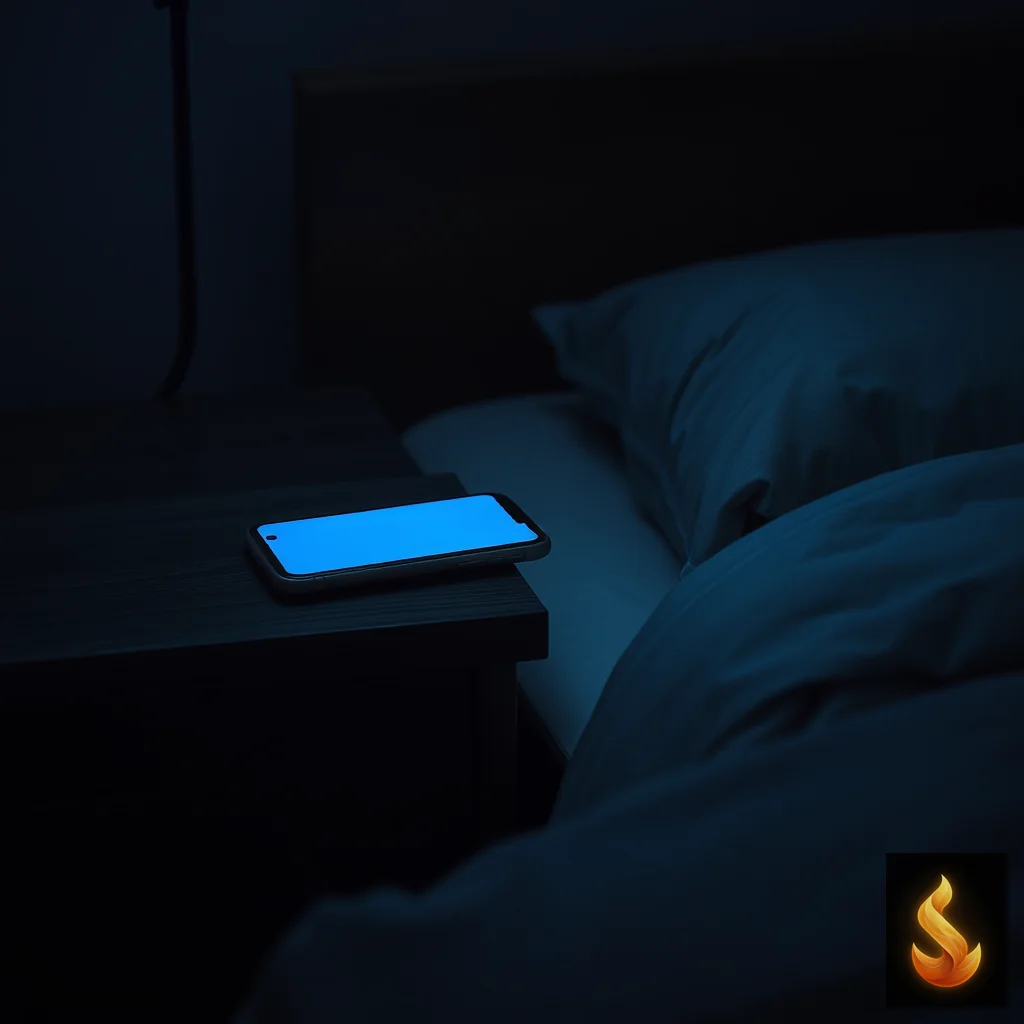
You catch yourself staring at your partner’s phone while they are in the shower, and that familiar wave of chest tightness hits before you even register what you are doing.
You bought a popular anxiety guide last month, read two chapters on relaxation techniques, and left the volume on your nightstand because deep breaths do nothing when your mind is racing.
The core struggle is figuring out whether you can fix this persistent relationship anxiety on your own or if you need professional support.
The Cognitive Cost of Secret Compulsions and Device Checking

That sudden spike of chest tightness starts a familiar sequence when your mind races to the screen beside you. You tell yourself you will not look, but the compulsion takes over until you secretly unlock your partner device to scan messages.
This behavior drains your mental bandwidth throughout the entire workday. You spend hours hiding the shame of these irrational reactions instead of focusing on actual tasks without distraction.
Habit-breaking advice fails for these patterns because the loop resembles obsessive-compulsive phenomenology, as detailed by researchers at the Baixo Vouga Hospital Centre (Conde et al., 2016). Willpower cannot dismantle a mechanism wired into deep emotional distress when your nervous system remains stuck in a loop of constant threat detection.
Why Standard Self-Help When Abandonment Panic Takes Over
Generic mindfulness tips and positive thinking fail to touch the core schemas driving abandonment panic because they treat emotional dysregulation as a surface habit rather than a nervous system response.
When researchers in a review published by European Psychiatry examine obsessive jealousy, they note that unpleasant and irrational ruminations differ fundamentally from normal relational emotion by mimicking obsessive-compulsive phenomenology.
Solo bibliotherapy hits a hard functional wall against this kind of distress because reading about cognitive reframing does nothing to interrupt a conditioned nervous system spiral in the middle of the night.
Masking the underlying terror with motivational quotes leaves the real mechanism untouched, which explains why workbooks collect dust on the shelf while the underlying panic remains entirely intact.
Attachment Trauma as the Hidden Engine of Relationship Anxiety
Early attachment disruptions train the nervous system to treat ordinary pauses in communication as survival threats. When you stare at your screen waiting for a reply to a text message, your body reacts as if physical safety is vanishing, flooding your chest with adrenaline before your conscious mind can evaluate the situation.
Willpower cannot rewrite that kind of somatic conditioning because the alarm bells originate far below conscious thought. You can read every productivity guide on emotional control, yet your nervous system still fires the same panic signals the moment ambiguity enters the room.
Understanding this biological loop helps explain why standard advice falls short. The tension is not a character flaw you can think your way out of, but a deeply wired survival mechanism that requires targeted rewiring rather than simple positive thinking.
CBT Exercises for Jealousy: What You Can Do Alone

You can test cognitive restructuring on your own by treating each triggering moment as a rigorous personal experiment rather than standard self-help homework. When a jealousy spike hits, you take out a notepad and list the evidence supporting your fear right next to the actual observable facts of the situation.
This technique works well when your mind spins a narrative out of an ambiguous text message or a delayed reply from your partner. You run behavioral experiments by intentionally sitting with the discomfort of not asking for reassurance, letting the urge to check fade without giving in to it.
Solo exercises provide solid traction for situational anxiety, but they hit a functional wall when deep-seated trauma runs the show.
Situational Triggers Versus Chronic Pathological Jealousy
You notice the shift the moment a partner breaks trust versus when your own mind manufactures a threat from an entirely neutral text message. Situational jealousy responds directly to real events and fades when clarity arrives, while chronic patterns keep looping regardless of what your partner does or says.
Bridging everyday relationship triggers into clinical frameworks, researchers at the Baixo Vouga Hospital Centre note that obsessive jealousy brings unpleasant ruminations and compulsive checking. This specific presentation resembles obsessive-compulsive phenomenology and requires clinical care (Conde et al., 2016).
Delusional jealousy operates differently as a psychotic disorder that demands antipsychotic treatment rather than standard self-guided workbooks (Conde et al., 2016). Spotting this distinction helps you determine if your attachment history requires professional intervention instead of another round of solo exercises.
Measuring Your Triggers: A Clinical Self-Assessment Framework

To measure your triggers honestly, you need an objective scale rather than another vague quiz that tells you what you want to hear. Clinical psychology frameworks like GAD-7 and PHQ-9 build trust because therapists use these exact symptom severity scales to track real baseline changes over time.
You can run through a structured self-assessment to map your personal attachment patterns without risking your privacy. Your data stays with you because the platform does not collect or store your answers anywhere on a server.
This gives you a clear, objective measure of your current emotional baseline so you can evaluate your triggers with radical self-honesty. You can take the relationship anxiety self-assessment right now to review your patterns in complete privacy before deciding your next step.
When to Transition from Self-Guided Work to Professional Therapy
Recognizing that your usual methods have reached their limit is an act of clarity rather than personal failure. Solo reflection works well until your nervous system stays locked in a chronic state of threat and your usual mental tricks stop producing any relief.
Porcerelli et al. (2007) demonstrate through systematic case studies how structured therapeutic adherence yields clinically significant reductions in symptom severity and relational pathology over time.
Stepping up to professional support means you have mapped the boundaries of what solo tools can resolve, allowing you to use an external framework with a clinician as an empowered choice.
Actionable Next Steps for Unlocking Root-Cause Clarity

You map out your next move by looking at what your triggers actually cost you each day.
You take an objective look at your attachment patterns through private self-assessment tools that require zero data storage.
You stop guessing whether a workbook will fix the loop and start tracking the root cause.
Frequently Asked Questions
Obsessive jealousy often resembles obsessive-compulsive phenomenology and responds best to treatments combining selective serotonin reuptake inhibitors and cognitive-behavioral therapy. Delusional jealousy operates as a psychotic disorder that requires antipsychotic treatment rather than standard self-guided workbooks. Choosing the right approach depends entirely on whether your triggers stem from situational events or chronic pathological patterns.
Individuals with avoidant or insecure attachment styles frequently experience heightened relationship anxiety and emotional distress. Systematic case studies on personality disorders demonstrate that underlying relational pathology often amplifies perceived threats during ambiguous communications. Mapping these personal patterns requires structured self-assessment rather than generic motivational advice.
Early attachment disruptions and abandonment panic train the nervous system to treat ordinary pauses in communication as survival threats. This somatic conditioning causes the body to flood with adrenaline long before conscious thought can evaluate the situation. Understanding this biological loop explains why standard productivity tips fail to resolve deep-seated triggers.
You can test cognitive restructuring independently by treating each triggering moment as a rigorous personal experiment rather than standard self-help homework. Writing down observable facts next to emotional fears helps interrupt the mental spiral. Sitting with the discomfort of not asking for reassurance allows the urgent urge to check to fade naturally.
Generic mindfulness tips and positive thinking fail to touch core schemas because they treat emotional dysregulation as a surface habit instead of a nervous system response. Reading about cognitive reframing does nothing to interrupt a conditioned somatic spiral in the middle of the night. This functional wall is why workbooks collect dust while underlying panic remains entirely intact.
Secretly checking devices provides temporary relief while draining mental bandwidth and reinforcing the underlying threat-detection loop. Willpower cannot dismantle a behavior wired into deep emotional distress when your nervous system remains stuck in a constant state of alarm. Breaking this cycle requires recognizing that the compulsion functions like an obsessive-compulsive loop that demands targeted behavioral experiments.
Situational jealousy responds directly to real events and fades naturally when clarity and communication arrive from your partner. Chronic pathological jealousy keeps looping regardless of what your partner does or says, often bringing unpleasant ruminations and compulsive checking. Identifying this distinction helps you determine whether solo exercises or professional clinical care is required.
Recognizing that your usual methods have reached their limit is an act of clarity rather than personal failure. Solo reflection works well until your nervous system stays locked in a chronic state of threat and mental tricks stop producing relief. Structured therapeutic adherence yields clinically significant reductions in symptom severity and relational pathology over time.
You can evaluate your emotional baseline using structured frameworks modeled after clinical symptom severity scales like GAD-7 and PHQ-9. Private self-assessment platforms allow you to map your personal attachment patterns without storing your data on an external server. You can take the relationship anxiety self-assessment right now to review your triggers in complete privacy.
Early relational disruptions train the nervous system to misinterpret neutral text messages and minor delays as signs of impending abandonment. When ambiguity enters the room, somatic alarm bells fire far below conscious awareness. Grounding your self-reflection in root-cause clarity helps replace self-blame with actionable psychological insight.
 Do I Need Therapy for Jealousy? An Evidence-Based Decision Framework for Skeptics
 Fearful-Avoidant Attachment: The Push-Pull Pattern Explained
 Retroactive Jealousy: An Evidence-Based Framework
 Attachment Style Quiz: Which Pattern Runs Your Relationships?
 Jealousy Therapy: What Type Do You Need?
 Is It Jealousy? An Evidence-Based Framework for the Over-Analyzing Partner