Attachment Style Quiz: Which Pattern Runs Your Relationships?
TL;DR - Key Takeaways
- Relationship overthinking often stems from nervous system survival programs rather than personal defects or poor communication choices.
- Research published in Nature by Spitoni et al. (2020) demonstrates that disorganized attachment patterns trigger distinct limbic and paralimbic activation during relational stress.
- Distinguishing between internal attachment panic and external environmental toxicity helps prevent self-blame during relationship friction.
- Earned security is built over time by noticing physiological threat responses and practicing staying present with discomfort instead of reacting defensively.
- You can map your relational blueprint anonymously using a free, 5-minute attachment style quiz that stores no personal data on external servers.
Introduction
You stare at the glowing screen, rereading an ordinary text message three times over to decode a hidden shift in punctuation. Uncovering your attachment style clarifies the nervous system loops driving your relationship patterns without clinical shame or marketing funnels.
You can take our free, 5-minute attachment style quiz. It is grounded in clinical psychology frameworks like GAD-7 and PHQ-9, the same scales therapists use, with complete privacy because your data stays with you.
Why Relationships Feel So Exhausting for the Overthinking Partner
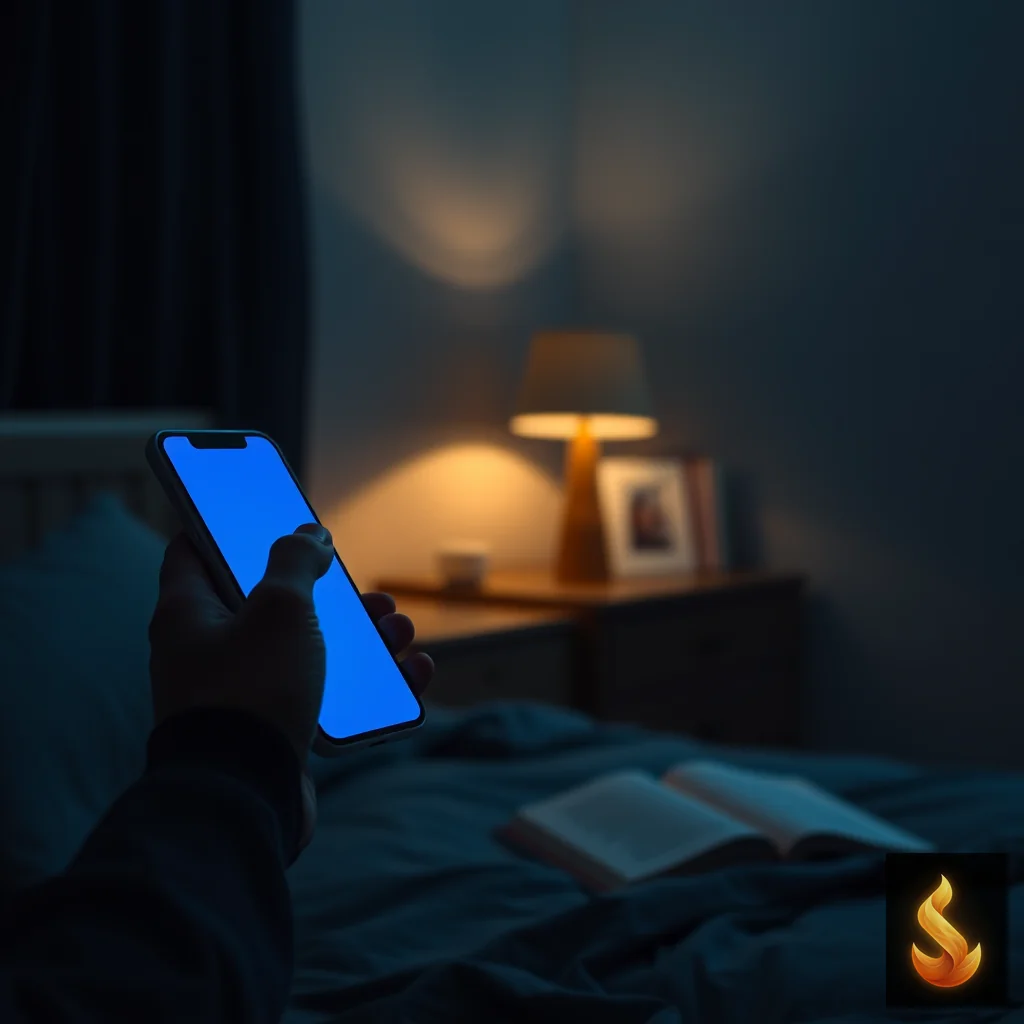
You stare at the glowing screen, rereading an ordinary text message three times over to decode a hidden shift in punctuation.
That mental loop stems from an invisible nervous system adaptation rather than a personal defect in how you handle connection.
Carrying the quiet weight of apologizing for taking up space leaves your emotional reserves depleted before the day even begins.
The Physiological Loop of Attachment Triggers During Text Delays

When a partner takes hours to reply to a simple text message, your body often reacts long before your logical mind can intervene. Your heart rate quickens, your shoulders tighten, and ordinary communication starts to feel physically threatening.
Research in Nature by Spitoni et al. (2020) demonstrated via fMRI that individuals with a history of difficult parental bonds process tactile and relational cues through heightened limbic activation. As published in Nature by Spitoni et al. (2020), individuals with a history of traumatic parental bonds and disorganized attachment perceive caress-like touch as unpleasant, whereas those with organized attachment find the same touch pleasant. Just as laboratory tactile stimulation paradigms map onto physical threat responses in relational research, that physiological alert system treats neutral or delayed responses as active danger signals.
This somatic freeze response explains why a brief pause feels like an impending rejection. Your nervous system is simply running an old survival program.
The Overthinking Partner’s Internal Monologue: A Minute-by-Minute Breakdown
You stare at a single letter response on your screen, and your mind immediately builds an entire narrative about how you finally crossed a line.
You find yourself scrolling backward through hours of conversation, hunting for the exact sentence that ruined everything. The panic rises because being vulnerable felt dangerous, so you type out a cheerful paragraph to mask the fear, then delete it because you hate feeling like a burden.
That sudden urge to withdraw the moment someone gets close is not a random flaw. It is a protective reflex kicking in to shield you from rejection before it happens.
Anxious vs. Avoidant: Decoding the Push-Pull Trap Beyond Pop-Psychology

Pop-psychology labels often reduce complex relational distress to lazy caricatures of needy partners or cold avoiders, stripping away the actual nervous system mechanics beneath the surface.
When you dig into clinical research, this dynamic is better understood as a disorganized or fearful - avoidant loop where the simultaneous terror of intimacy and rejection locks people into what American academic Mary Main famously called fear without solution, as documented in studies on adult attachment representations Nature.
Roughly a quarter of adults navigate these insecure patterns in clinical and population - level research reviewed by Bakermans - Kranenburg and van IJzendoorn Attachment & Human Development, which means the daily friction you experience in close bonds stems from a recognizable physiological design rather than a personal moral failure.
Instead of treating these patterns as fixed character flaws, researchers study how childhood disruptions wire the brain to perceive ordinary vulnerability as an active threat, activating limbic and paralimbic structures in a fight - or - flight manner Nature.
Attachment Panic vs. Situational Incompatibility: Figuring Out What Is Actually Wrong

You might stare at a mounting ledger of past breakups and wonder if your own nervous system is the sole defect destroying every connection. This internal verdict carries a crushing weight because accepting personal fault feels easier than admitting the environment itself was fundamentally unsafe or emotionally erratic.
A persistent knot in your stomach can function as a helpful heuristic lens signaling an ingrained attachment panic response that activates long before any rational evaluation takes place.
That same visceral tightening can also be an entirely rational reaction to a partner whose erratic behavior makes genuine emotional safety impossible, pointing to external friction rather than an internal flaw Nature.
Distinguishing between internal relational anxiety and external toxicity requires looking past the reflexive urge to blame yourself for every relational friction.
How 5-Minute Quizzes Compare to Clinical Instruments Like the ECR-R
Rapid screening tools prioritize immediate self-awareness over exhaustive clinical profiling. Comprehensive inventories like the 36-item Experiences in Close Relationships scale demand time and focus that can intimidate someone who just wants a quick mirror for their daily stress.
Short tools trade that deep clinical precision for accessibility by condensing complex relationship patterns into brief reflection prompts. Structured psychology frameworks offer a clear starting point for self-discovery without requiring clinical training to begin evaluating your relational habits.
While a quick check-in cannot capture every detail of your attachment history, it surfaces the immediate nervous system tendencies driving your daily reactions. Understanding those baseline patterns helps you stop treating relationship friction as a personal failure and start seeing it as a manageable loop.
Navigating the Limits and Boundary Conditions of Attachment Theory
Research in Nature by Spitoni et al. (2020) demonstrated via fMRI that only participants with disorganized attachment exhibited activation in the right limbic and paralimbic cortex during tactile stimulation.
These lab findings reflect momentary somatic states under controlled conditions rather than permanent neural destinies for anyone exploring their personal patterns.
An individual test score captures a specific nervous system baseline at one moment, not an unchangeable trait that dictates every future partnership.
Treating psychometric inventories as rigid labels rather than flexible diagnostic lenses ignores how daily environments and intentional self-reflection reshape relational habits over time.
Transitioning From Reactive Sabotage to Earned Security

Moving past reactive self-sabotage requires noticing the exact moment your nervous system flags vulnerability as a threat, then pausing before you withdraw or demand instant reassurance. Adults build earned security over time by surviving relational stress without repeating old defensive habits, proving to your nervous system that closeness can exist alongside safety.
When you feel the familiar urge to shut down during a difficult conversation, you can practice staying in the room with your discomfort instead of fleeing to protect yourself. Emotional dysregulation and extreme behavioral reactions in stressful situations often stem from unresolved relational templates, but self-directed awareness helps interrupt those automatic loops.
You can map your own relational patterns and start untangling these automatic physical responses by taking the attachment style quiz to see where your nervous system tends to land.
How Private and Clinically Grounded Assessments Work
Anonymous reflection tools disarm skeptics who distrust marketing funnels by removing every barrier between curiosity and insight. When you take the free attachment style quiz, your responses remain entirely on your device because privacy guarantees matter when exploring vulnerable patterns.
Traditional tests harvest your email address to build lead generation lists, turning personal self discovery into a commercial transaction. Operating without registration requirements ensures you can map your relational blueprint without trading your personal data for answers.
As detailed in a systematic review by Webb et al. published in SpringerLink (2021), a mismatch between birth expectations and actual experiences is consistently associated with reduced birth satisfaction and an increased risk of developing postnatal PTSD, highlighting how unmet expectations shape stress responses.
You can begin exploring your nervous system loops immediately through the confidential attachment style assessment, letting you investigate your attachment patterns with complete peace of mind.
Take the 5-Minute Attachment Style Quiz Now
You can take our free, 5-minute attachment style quiz to map your relational blueprint without creating an account or handing over your email address.
Your answers stay on your device because we do not collect or store your personal data.
Start the confidential assessment whenever you are ready to understand your patterns without friction.
Frequently Asked Questions
You can find out your attachment style by taking a short, confidential screening tool that maps your nervous system patterns without requiring registration or email collection. Our free 5-minute assessment uses clinically grounded psychological frameworks to help you understand your relational habits completely privately.
Disorganized or fearful-avoidant attachment is often considered the most distressing to experience because it locks individuals into a persistent push-pull loop of craving intimacy while simultaneously fearing rejection. As published in Nature by Spitoni et al. (2020), individuals with this pattern show heightened limbic and paralimbic activation during tactile and relational triggers, treating ordinary vulnerability as an active threat.
Attachment patterns are not moral failures or permanent defects, but insecure styles like disorganized attachment are heavily linked to emotional dysregulation and extreme behavioral reactions in stressful situations. Research reviewed by Bakermans-Kranenburg and van IJzendoorn shows that roughly a quarter of adults navigate insecure patterns, which stem from early nervous system adaptations rather than personal flaws.
Your attachment style can shift toward earned security over time through intentional self-reflection, emotional awareness, and surviving relational stress without repeating old defensive habits. By recognizing the exact moment your nervous system flags vulnerability as a threat, you can practice staying present with discomfort instead of automatically withdrawing.
Rapid screening tools prioritize immediate self-awareness and accessibility over exhaustive profiling, condensing complex relationship patterns into brief reflection prompts. While comprehensive inventories like the 36-item Experiences in Close Relationships scale offer deep clinical precision, short tools help you identify your immediate nervous system tendencies without requiring clinical training.
Stopping text overanalysis starts by recognizing that a racing heart and tightening shoulders during communication delays represent an invisible nervous system survival program rather than objective reality. When you understand that your body is treating a delayed reply as an active danger signal, you can pause before building an elaborate rejection narrative.
Attachment anxiety stems from deeply ingrained nervous system loops that trigger panic responses long before rational evaluation takes place, whereas situational anxiety can be a completely rational reaction to an erratic or toxic partner. Distinguishing between the two requires looking past the reflexive urge to blame yourself for every friction to evaluate whether your emotional safety is genuinely supported.
The fearful avoidant internal monologue is characterized by frantic mental searches through past conversations to find the exact moment you supposedly ruined a connection, followed by a sudden urge to delete a vulnerable message because expressing needs feels dangerous. This sudden oscillation reflects an inner state that American academic Mary Main famously called fear without solution, where intimacy and rejection feel equally terrifying.
Your personal data stays entirely on your device because privacy guarantees are essential when exploring vulnerable psychological patterns. Unlike traditional marketing funnels that harvest your email address for lead generation lists, anonymous reflection tools let you investigate your attachment blueprint without commercial tracking or account creation.
Research in Nature by Spitoni et al. (2020) demonstrated via fMRI that individuals with disorganized attachment exhibit distinct activation in the right limbic and paralimbic cortex, including the amygdala and hippocampus, particularly during non-affective or alerting tactile stimulation. These regions coordinate emotional arousal and threat detection, explaining why neutral relational exchanges can trigger intense physiological stress.
 how to stop jealousy in relationships: An Evidence-Based Decision Framework
 Do I Need Therapy for Jealousy? An Evidence-Based Decision Framework for Skeptics
 Fearful-Avoidant Attachment: The Push-Pull Pattern Explained
 Disorganized Attachment Style: Why Closeness Triggers Panic
 Anxious Attachment Style: Signs You Overthink Every Relationship
 Retroactive Jealousy: An Evidence-Based Framework