Anxiety vs Panic Attack: How to Tell the Difference and Understand Symptoms
TL;DR - Key Takeaways
- Anxiety builds gradually through chronic muscle tension and persistent worry, whereas panic attacks erupt abruptly and peak within ten minutes.
- Emergency department data shows that up to 39 percent of patients presenting with cardiopulmonary complaints meet criteria for panic-related anxiety rather than cardiac events [Sung et al. (2026)].
- Hyperventilation washes out carbon dioxide too quickly, creating hypocapnia that constricts cerebral blood vessels and causes dizziness.
- Combining appropriately selected pharmacotherapy and concurrent psychotherapy provides significant benefits for managing anxiety disorders [Grzech et al., Journal of Education, Health and Sport].
- Evaluating somatic patterns using structured self-assessment frameworks helps replace frantic symptom checking with objective clarity.
Introduction
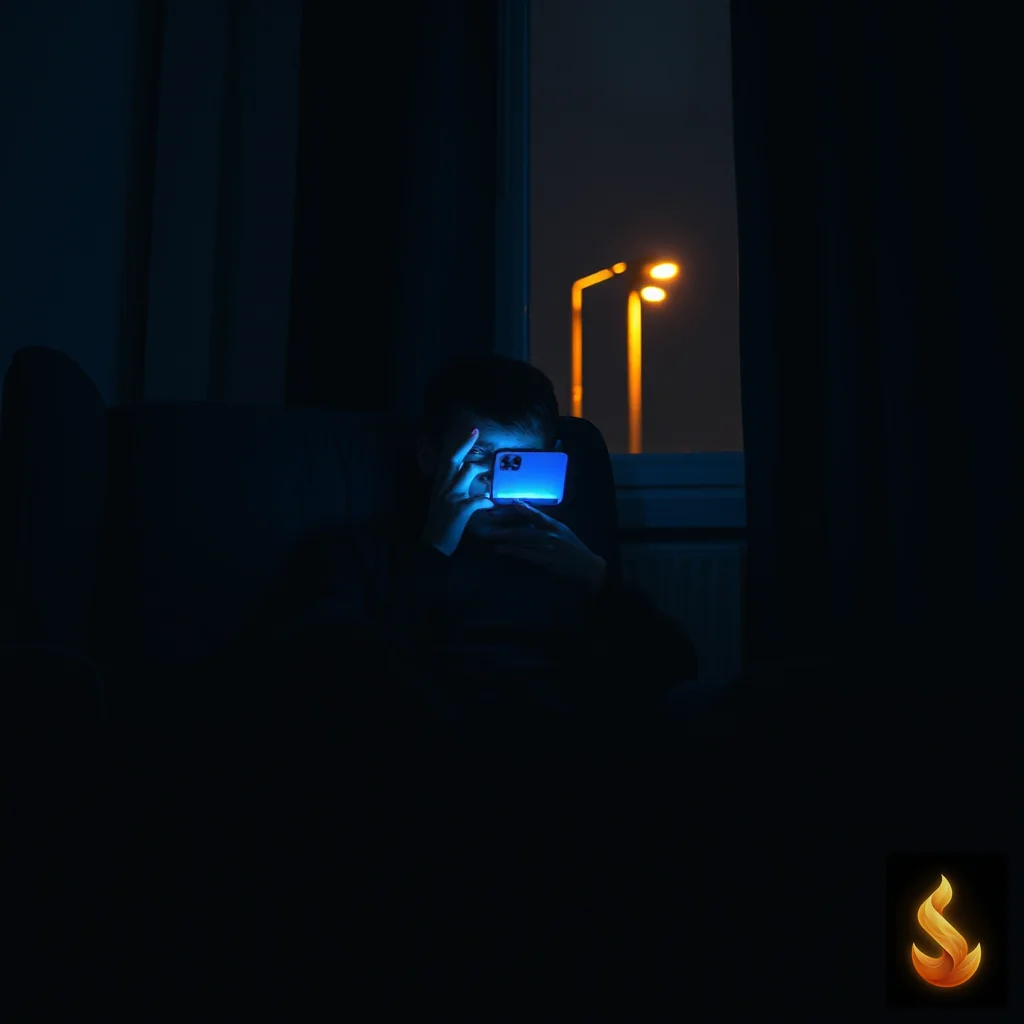
You sit alone in the dark, phone light cutting across the room, heart hammering against your ribs while chest tightness presses down - wondering if this is the moment something actually breaks or just another false alarm.
The mind races through worst-case scenarios while you scroll symptoms at 2 a.m., and each search result feeds the spiral instead of calming it. This pattern repeats across emergency departments nationwide.
A 2026 study of 321 cardiopulmonary patients found 39 percent met criteria for panic-related anxiety rather than cardiac disease Sung et al. (2026).
Understanding the nervous system’s distinct response patterns - gradual somatic buildup versus abrupt autonomic surge - shifts you from frantic guessing to grounded self-recognition.
The Physiological Trajectory: Gradual Accumulation Versus Abrupt Surge
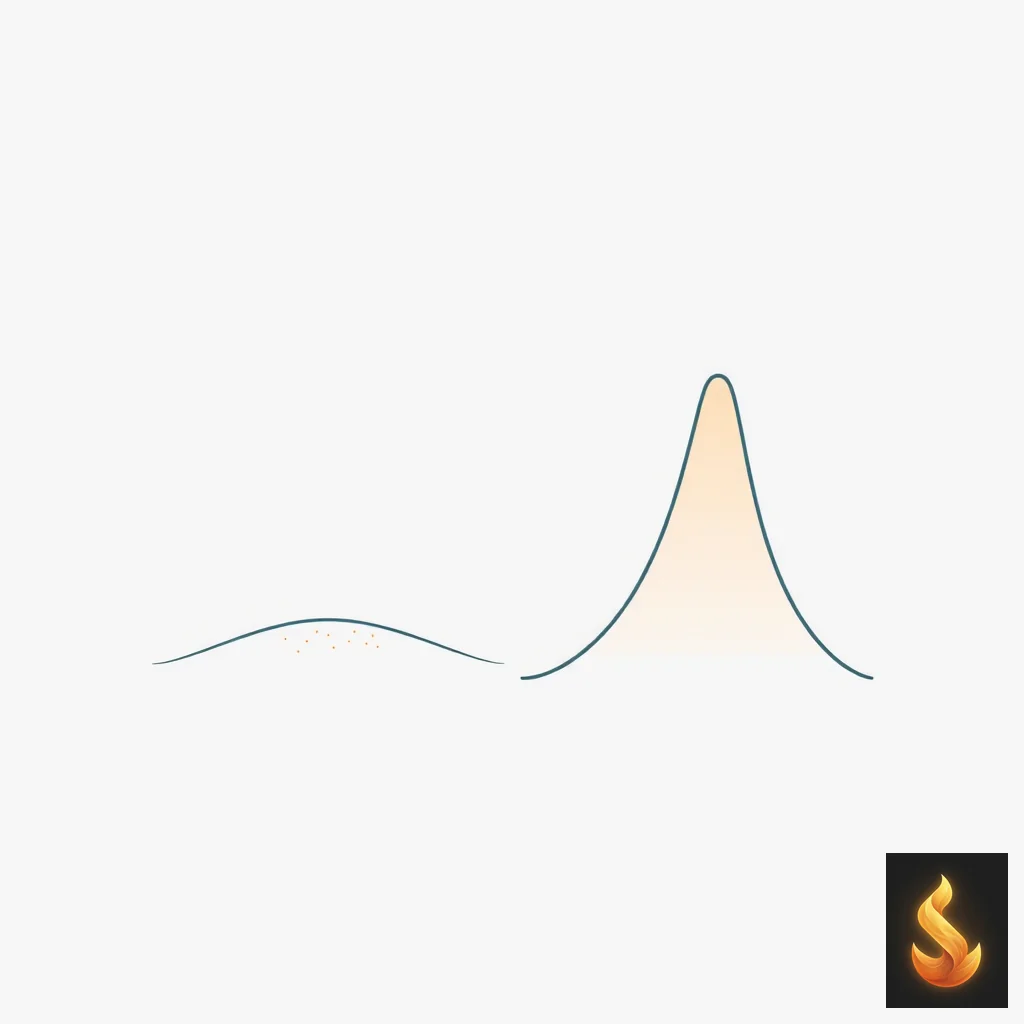
Generalized somatic anxiety builds through days of creeping tension - shoulders rising toward ears during meetings, jaw clamping shut, a low hum of dread that never fully settles.
Panic attacks erupt differently. They strike without obvious trigger and hit peak intensity within ten minutes, matching DSM-5 criteria for abrupt autonomic surge American Psychiatric Publishing (2013).
A 2026 study of 321 emergency department patients with cardiopulmonary complaints found 39 percent met diagnostic criteria for panic-related anxiety rather than heart disease Sung et al. (2026).
Chest pain accounted for 92.2 percent of those presentations, making the distinction between cardiac and panic-driven symptoms clinically urgent for every clinician.
The distinction matters because chronic somatic tension responds to slowing down, while acute autonomic surges demand a different kind of attention entirely.
Sensory-Based Physiological Differentiation: Mapping Bodily Feedback
Generalized somatic stress settles into your muscles slowly over hours or days, showing up as tight shoulders and constant worry about work.
When you need to bridge these broad patterns to your own bodily signals, tracking specific symptom clusters helps you stop guessing what is happening.
Early screening tools evaluated by Frontiers in Psychiatry focused on seven specific indicators, while updated multivariable models refined those markers to emphasize shortness of breath, dizziness, and palpitations.
Panic episodes hit you with derealization, depersonalization, chills, hot flushes, paresthesia, and a terror of losing control.
Cardiac Symptoms Versus Panic-Induced Chest Discomfort: Emergency Triage

Chest pain accounts for 92.2% of emergency department cardiopulmonary presentations in urban tertiary hospital cohorts studied by Sharon C. Sung and colleagues in Frontiers in Psychiatry.
When you sit in a waiting room wondering if your chest tightness signals acute coronary syndrome or unmanaged autonomic arousal, separating non-cardiac chest pain from a real medical emergency requires objective clinical screening rather than guesswork.
Research published in the same study demonstrates that approximately 25% to 40% of emergency department chest pain admissions stem from panic disorder or unmanaged anxiety rather than underlying cardiac pathology.
Evaluating patients using structured clinical interviews reveals an optimal cutoff score of three or more panic symptoms, achieving an area under the curve of 0.88 and 85.7% specificity to distinguish panic presentations from physical crises safely.
The Behavioral Loop of Pulse-Checking and Somatic Hypervigilance

Repeatedly checking your pulse or scanning your body for heart irregularities acts as a safety behavior that validates the brain’s false belief of a medical emergency.
When you wake up at night with a racing heart and immediately reach for your phone to search symptoms, you lock your autonomic nervous system into a continuous loop of interoceptive hypervigilance.
This constant scanning treats normal autonomic fluctuations as catastrophic threats, which releases more adrenaline and intensifies the physical arousal you are trying to escape.
Breaking this cycle requires recognizing that the urge to check is actually maintaining the panic state rather than protecting you from danger.
Hyperventilation and Hypocapnia Mechanics: Why Air Hunger Feeds Dizziness
When you cannot catch your breath, your first instinct is to pull in more air as fast as possible, but that reflex often makes the spinning worse.
Research by Natalie C. Tunnell and colleagues in Frontiers in Psychiatry explains that breathing too fast washes out carbon dioxide too quickly, a state known as hypocapnia.
That chemical drop constricts blood vessels supplying the brain, which triggers the very dizziness and tingling you are trying to fight off.
Understanding this exact chemical shift lets you stop battling your own lungs and start working with them instead, turning physical fear into a manageable signal.
Nocturnal Panic Attacks: Awakening From Non-REM Sleep Without a Trigger
Waking up abruptly in the dark with a pounding pulse feels terrifying because your brain is half-asleep and lacks the context to recognize a sleep-state autonomic surge. You assume an immediate physical crisis because deep sleep shuts down logical reasoning before the adrenaline clears.
Clinical observations show these nocturnal episodes bypass conscious daytime worry entirely, erupting straight from non-REM rest.
When your nervous system fires off a burst of adrenaline without a trigger, your groggy mind scrambles for a tangible threat, latching onto the racing heart as proof of danger.
Understanding this shift helps you separate a normal sleep-state discharge from real medical peril.
Practical Grounding: Precise Physiological Techniques for De-escalation

When acute physical arousal hits, you can slow the autonomic surge by lengthening your exhales to stimulate the vagus nerve and restore carbon dioxide balance. This physical intervention helps regulate breathing without fighting your own lungs.
As reported by Patrycja Grzech and colleagues in the Journal of Education, Health and Sport, combining appropriately selected pharmacotherapy and concurrent psychotherapy shows significant benefits for patients struggling with anxiety disorders. Building directly on that clinical context, you can evaluate your somatic arousal objectively using structured self-assessment frameworks adapted from GAD-7 and PHQ-9 clinical scales.
At the same time, an assessment cannot diagnose anything on its own, and physical sensations can mirror multiple underlying medical conditions.
When you take this self-assessment test, you move away from frantic symptom checking toward structured self-understanding.
Understanding Research Boundaries and Methodological Limits
Statistical prediction models and screening cutoffs can map group probabilities, but they cannot provide a universal diagnosis for your specific physical presentation.
When emergency departments evaluate patients, diagnostic thresholds highlight broad statistical trends rather than absolute certainties for any single person.
Research samples capture general patterns across diverse populations, yet individual variability means your physical responses will not always fit neatly inside a standard curve.
Acknowledging these methodological limits helps you avoid treating a screening score as an absolute verdict while you evaluate your symptoms.
Root-Cause Clarity and the Path Forward

Finding lasting relief from chronic stress requires looking past temporary fixes and addressing the underlying drivers of autonomic reactivity.
As reported by Patrycja Grzech and colleagues in the Journal of Education, Health and Sport, a literature review indicates significant benefits when combining appropriately selected pharmacotherapy and concurrent psychotherapy for anxiety disorders.
Moving away from endless symptom-scrolling starts with trading guesswork for structured self-awareness so you can rebuild trust in your own body.
You can take the Anxiety Assessment to map your personal patterns against clinical frameworks without storing any personal data on external servers.
Conclusion
Moving past endless symptom checking starts with trading guesswork for structured self-awareness so you can rebuild trust in your physical health. You can take the Anxiety Assessment to map your personal patterns against clinical frameworks while keeping your data private.
Frequently Asked Questions
Anxiety builds gradually through persistent muscle tension and worry over days or weeks, whereas a panic attack strikes abruptly without an obvious trigger and reaches peak intensity within ten minutes. Research in psychiatric classification distinguishes these states by their onset timeline and distinct symptom clusters.
Emergency department research published by Sharon C. Sung and colleagues in Frontiers in Psychiatry indicates that approximately 25 to 40 percent of emergency chest pain admissions stem from panic-related anxiety rather than acute coronary syndrome. Structured screening models use an optimal cutoff of three or more panic symptoms - such as shortness of breath, dizziness, and palpitations - to differentiate panic presentations from cardiac emergencies.
A sudden racing heart often represents an autonomic surge originating from a sleep-state discharge or unannounced sympathetic activation rather than an immediate physical crisis. When this occurs without a conscious psychological trigger, the body's internal feedback loops can misinterpret normal arousal as an impending health threat.
Nocturnal panic wakes individuals abruptly from non-REM sleep with severe somatic arousal, including a pounding pulse, breathlessness, and intense terror. Because the brain is half-asleep during this transition, it lacks immediate context and scrambles to interpret the autonomic surge as physical danger.
Breathing too rapidly during acute stress washes out carbon dioxide too quickly, resulting in a chemical state known as hypocapnia. As Natalie C. Tunnell and colleagues note in Frontiers in Psychiatry, this shift constricts blood vessels supplying the brain and directly triggers lightheadedness and tingling sensations.
A prospective study of 321 emergency department patients presenting with palpitations, chest pain, dizziness, or shortness of breath found that 39 percent met diagnostic criteria for panic-related anxiety [Sung et al. (2026)]. This high overlap frequently complicates timely medical triage.
An updated multivariable prediction model evaluated in emergency care research demonstrated an area under the curve of 0.88, with 78.4 percent sensitivity and 85.7 percent specificity when applying a cutoff of three or more symptoms [Sung et al. (2026)]. These diagnostic thresholds help clinicians distinguish functional autonomic arousal from physical pathology.
A review of literature highlighted by Patrycja Grzech and colleagues in the Journal of Education, Health and Sport indicates significant therapeutic benefits when combining appropriately selected pharmacotherapy with concurrent psychotherapy. This integrated approach addresses both acute physiological reactivity and underlying cognitive patterns.
Lengthening exhales and regulating breath mechanics stimulates the vagus nerve to slow down the autonomic nervous system and restore carbon dioxide balance. This physiological intervention halts the feedback loop of interoceptive hypervigilance without requiring direct resistance against natural breathing.
Using structured assessment frameworks adapted from clinical psychology scales allows you to map your personal somatic patterns against established criteria. You can take the Anxiety Assessment on this platform to evaluate your symptom history privately without storing personal data on external servers.
 Is It Anxiety? An Evidence-Based Framework for the High-Functioning Skeptic
 Anxious Attachment Style: Signs You Overthink Every Relationship
 Do I Have Anxiety Quiz: Take the Free 5-Minute Evaluation
 Inattentive ADHD: The Type Everyone Misses
 What's Your Kindness Archetype? Take the Free Quiz
 Anxiety or Something Else? Why Self-Diagnosis Goes Wrong