The Chase Pattern: Breaking a Cycle of Desperate Love

The Eighteenth Beginning
At twenty-eight, Elena had learned the art of beginning. She knew what to wear, what to ask, how to laugh just so. She knew how to make a man feel seen - as if he were the only person in the world who mattered.
She met Kael on a Tuesday. By Friday, she had imagined their wedding. By the second date, she introduced him to her best friend. By the third, she was naming children who did not exist.

Then came the text that always came: “I think we’re moving too fast.”
Eighteenth. Same story.
The Origin Story
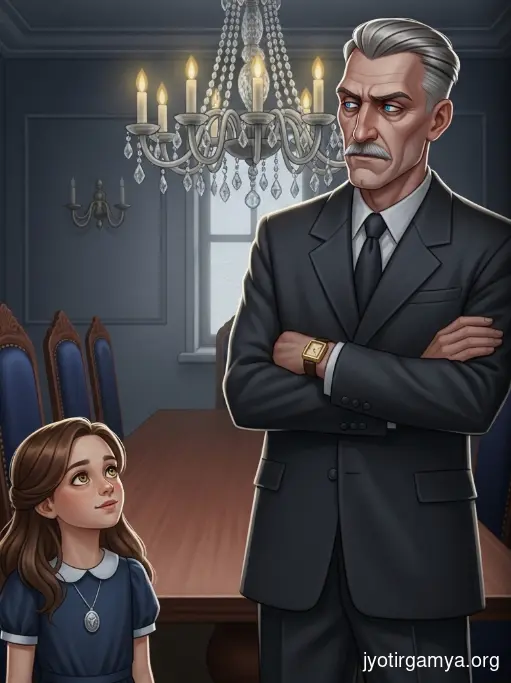
Her father, Dmitri, collected women the way some men collect coins. Each affair was proof - proof of power, proof of worth. When Elena was twelve, she found hotel receipts in his drawer. He did not apologize. He said, “Your mother does not appreciate me.”
Her mother, Natalia, answered with a different weapon. She was a woman who had learned early that relationships were opportunities. A con artist at the heart, she moved through life spotting weakness and turning it into advantage.
Natalia ran a small jewelry business from home, but her real business was exploitation. She studied people like prey - friends, neighbors, relatives - learning their desires, their fears, what they were desperate to hear. Then she offered it. For a price.
She would weep for hours, refuse to eat, tell Elena never to let a man treat her this way. Then she would demand expensive gifts, proof that Dmitri still loved her. But the gifts were never enough. She wanted something more valuable: guilt, obligation, leverage.
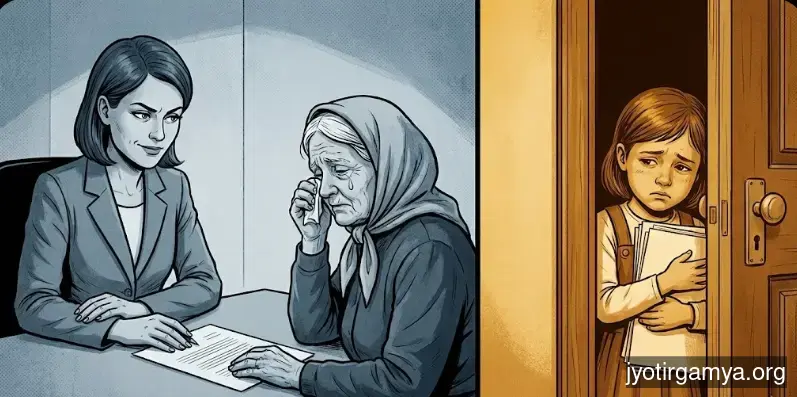
She borrowed money from Elena’s aunt with a sob story about Dmitri’s gambling, then used that debt to demand favors from the aunt’s son. She befriended wealthy widows, became their confidante, then “helpfully” introduced them to men who, coincidentally, needed business partners. Natalia always took her cut.
But the family’s true specialty was men who refused to cooperate. When a man said no to Dmitri’s business deals or rejected Natalia’s schemes, the retaliation was swift and devastating. They would spread rumors - infidelity, financial ruin, family secrets. Dmitri would leverage his connections. Natalia would mobilize her network of “friends.” Within weeks, the man would lose business opportunities, face social isolation, sometimes even his job.
One of Elena’s ex-boyfriends refused to invest in a venture Dmitri pitched. A month later, anonymous emails to his workplace alleged misconduct. He was fired within the week. Another man questioned Natalia’s business practices. Soon, suppliers canceled contracts. His business collapsed.
The message was clear: cooperate, or be destroyed.
“Everything is negotiation,” Natalia told Elena when she was fifteen. “Some people understand the polite version. Others need to be reminded what happens when they don’t.”
The empire of manipulation eventually collapsed. One of Natalia’s victims, a wealthy widow who had lost her life savings, didn’t stay silent. She went to the police with emails, bank transfers, and recorded conversations. Investigators found seventeen others who had been systematically exploited.
Natalia was arrested at a dinner party. Elena watched from the doorway as handcuffs clicked around her mother’s wrists. The woman who had weaponized tears and gossip couldn’t manipulate a judge and jury. The evidence was too detailed, too devastating.

Three years for fraud. Five for embezzlement. Eight years total.
Dmitri didn’t visit. He moved on to the next opportunity within months. But for Elena, the courtroom was the first time she saw her mother powerless. No more leverage. No more threats. Just a woman in a prison uniform, stripped of everything.
Love in that house was a transaction. You earned it. Through pain. Through guilt. Through performance. Through calculated manipulation. It was never given freely. And eventually, the bill came due.
The Pattern in Action
Elena did not cheat. She did not manipulate with guilt. She became desperate to be chosen.
With each man, the cycle repeated:
- Meeting, instant connection (she felt it; he did not know)
- Study him, learn everything, become what he wanted
- Move fast - friends, future, territory
- He pulls back (of course)
- She panics, texts, shows up, demands clarity
- He ends it
This was trauma wearing the mask of romance.
The Breaking Point
After Kael, her therapist Dr. Petrov asked one question: “What are you actually chasing?”

“Love. Connection. Partnership.”
“What are you actually chasing?” Dr. Petrov asked again.
For three sessions, Elena could not answer.
Then, walking one evening, she understood: she was chasing proof.
Proof she was worthy of being chosen. Proof she was not her parents. Proof she was loveable. Each man was not a partner - he was evidence that she had finally made it.
No amount of evidence would ever be enough. Elena did not believe she deserved love without earning it.
The Pause
She deleted the dating apps. No timeline. No promise of return. Just a pause.

For six months, she did something she had never done: she sat with her own feelings.
She wrote about her father - how his arrogance had taught her that love was winning, not connecting. She wrote about her mother - how her manipulation had taught her that love was leverage, not vulnerability.
She saw it then: she had been building her childhood home in every new relationship. Winning attention like her father. Using desperation like her mother.
Neither was love.
She went to therapy twice a week. She joined a support group for adult children of toxic families. She learned what she had always known - the emptiness she tried to fill with men could only be filled by herself.
Found, Not Chased

Nine months after deleting the apps, she met Lukas at her book club. They argued about a novel’s ending for forty minutes.
It was frustrating. It was boring. It was perfect.
They became friends first. They argued about books, politics, coffee. They saw each other at their worst - Elena during a terrible week at work, Lukas during a family crisis. They kept showing up.
Six months later, over dinner, Lukas said, “I like you, Elena. I think we should date properly.”
No speech. No gesture. Just words.
Elena understood then: this was what she had been looking for. Not the chase, not the rush, not the validation. Connection. Slow. Unhurried. Real.
They have been together a year. They are not married. They have not moved in together. Some days they annoy each other. Some days they do not speak at all.
This is fine. Love requires being whole enough to let someone in.
The Pattern Broken

Elena still feels the urge sometimes - the old panic when he does not text back, the impulse to plan a future before they have planned next week.
Now she recognizes it. Names it. Sits with it until it passes.
The chase was fear wearing love’s clothes.
Real love waits. Real love listens. Real love does not need to be earned.
Breaking Your Own Pattern
If you see yourself in Elena’s story, consider this:
-
Your parents' marriage is not your destiny. Patterns repeat until you consciously break them. Awareness is the first step.
-
You cannot heal what you will not feel. The urge to chase, the panic of abandonment, the desperate need for validation - these are symptoms. Sit with them. Understand them. Do not act on them.
-
A relationship requires two whole people. If you are looking for someone to save you, do therapy first. Do the work before pursuing partnership.
-
Slow is not wrong. Rushing is a trauma response. Taking time is healthy. Anyone worth being with will wait while you figure yourself out.
-
You are enough on your own. Not someday. Not when you lose weight, get promoted, find the right person. Today.
The chase will never lead you where you want to go. What you seek can only be found when you stop running.
Frequently Asked Questions on The Chase Pattern
The chase pattern is a cycle where someone becomes desperate to be chosen in relationships, often rooted in childhood trauma. It involves intense pursuit, moving too fast, and panic when the other person pulls back. The pattern repeats because the person seeks validation and proof of worthiness through partners rather than developing self-worth from within.
Childhood trauma, especially from parents who manipulate, neglect, or fail to provide unconditional love, can create patterns in adult relationships. Children learn that love must be earned or that relationships are transactions. These patterns repeat unconsciously until consciously addressed through therapy, self-reflection, and healing work.
Signs include: imagining a future with someone after just one date, moving extremely fast in relationships, panic when communication slows, constant need for reassurance, and choosing partners based on their potential rather than who they actually are. Each relationship ends with the same pattern of intensity followed by rejection.
Breaking the pattern requires: pausing from dating to understand yourself, therapy to address underlying trauma, learning to sit with uncomfortable feelings instead of acting on them, recognizing that you are enough without validation from others, and developing self-worth independent of relationship status. It takes time and conscious effort.
Family trauma creates templates for how we understand love, trust, and relationships. If you grew up with manipulation, conditional love, or transactional relationships, you may unconsciously recreate these dynamics. The good news is that awareness allows you to break these cycles and create healthier patterns consciously.
Taking a break from dating allows you to: sit with your own feelings without distraction, understand your patterns without getting caught in them, develop self-worth independent of relationship status, and learn to be whole on your own. This foundation makes healthy relationships possible when you do choose to date again.
Real love is slow, unhurried, and mutual. It doesn't require you to prove your worth or earn validation. It involves being friends first, seeing each other at your worst, and continuing to show up. The chase is fear wearing love's clothes - intense but driven by insecurity rather than genuine connection.
Your Journey Starts Today
Elena’s story is not unique. The chase pattern affects millions of people, repeating cycles they learned in childhood. The good news? Patterns can be broken.
Breaking a lifetime of learned behavior takes courage. It means sitting with discomfort instead of running from it. It means choosing yourself over validation from others. It means accepting that real love requires being whole, not perfect.
You don’t have to do this alone. A therapist who understands trauma can help you see patterns you can’t see yourself. Support groups remind you that you’re not the only one. Books and articles like this give you words for experiences you’ve never named.
The work isn’t quick. There will be days when the old panic returns, when you want to plan a future before knowing someone’s middle name. There will be moments of doubt, when the silence feels too loud.
But those moments don’t mean you’re failing. They mean you’re healing.
Every time you recognize the urge and choose differently, you’re rewiring your brain. Every time you sit with discomfort instead of acting, you’re building resilience. Every time you choose yourself over validation, you’re reclaiming your worth.
The chase leads nowhere. But the pause? The pause leads everywhere.
Start today. Not when you lose weight, get promoted, or meet the right person. Today, exactly as you are.
You are enough. Not someday. Not when. Today.
Essential Reads
Inner Child Healing: The Key to Unlocking Your Potential
Decoding Trauma & Discovering Passion: Interview with Clinical Psychologist
How to Manipulate People: Understanding Manipulative Behavior
Step-by-Step Guide to Defining Your Values in Acceptance and Commitment Therapy
Cultivating Healthy Passion and Recognizing Unhealthy Obsession
Embracing Committed Action to Achieve your Goals
Expect Less, Accept More: Insights on Relationship Management
Stay connected on twitter or subscribe to our newsletter.
About the Author
Alexandra Chen is a writer and mental health advocate specializing in relationship psychology and trauma recovery. With a background in clinical psychology and personal experience with family trauma, she brings both professional expertise and empathetic understanding to her work.
Alexandra believes that stories have the power to heal - that by sharing our struggles, we help others feel less alone in theirs. Her writing combines research-based insights with relatable narratives, making complex psychological concepts accessible to everyone.
When she’s not writing, Alexandra can be found reading, hiking, or enjoying quiet moments with a good cup of coffee. She lives with the belief that healing is possible for everyone, and that the bravest thing we can do is choose ourselves.